Loading…
Loading…
India · UNESCO World Heritage
37 World Heritage Sites verified in our database, from the Taj Mahal to Mumbai's own Victorian Gothic ensemble. Each one carries the same verified hours, tickets and practical details as every other place on Usher Heritage.

In his final years, Shah Jahan was imprisoned here by his own son, gazing at the Taj Mahal, the tomb he built for his wife.

Akbar built an entire city to celebrate the birth of his son, then abandoned it about 15 years later, reportedly for want of water.

Shah Jahan built it in memory of Mumtaz Mahal, who died giving birth to their fourteenth child. About 20,000 workers laboured for roughly 22 years.

Forgotten for over 1,000 years, until a British cavalry officer stumbled on these caves in 1819 while hunting a tiger.
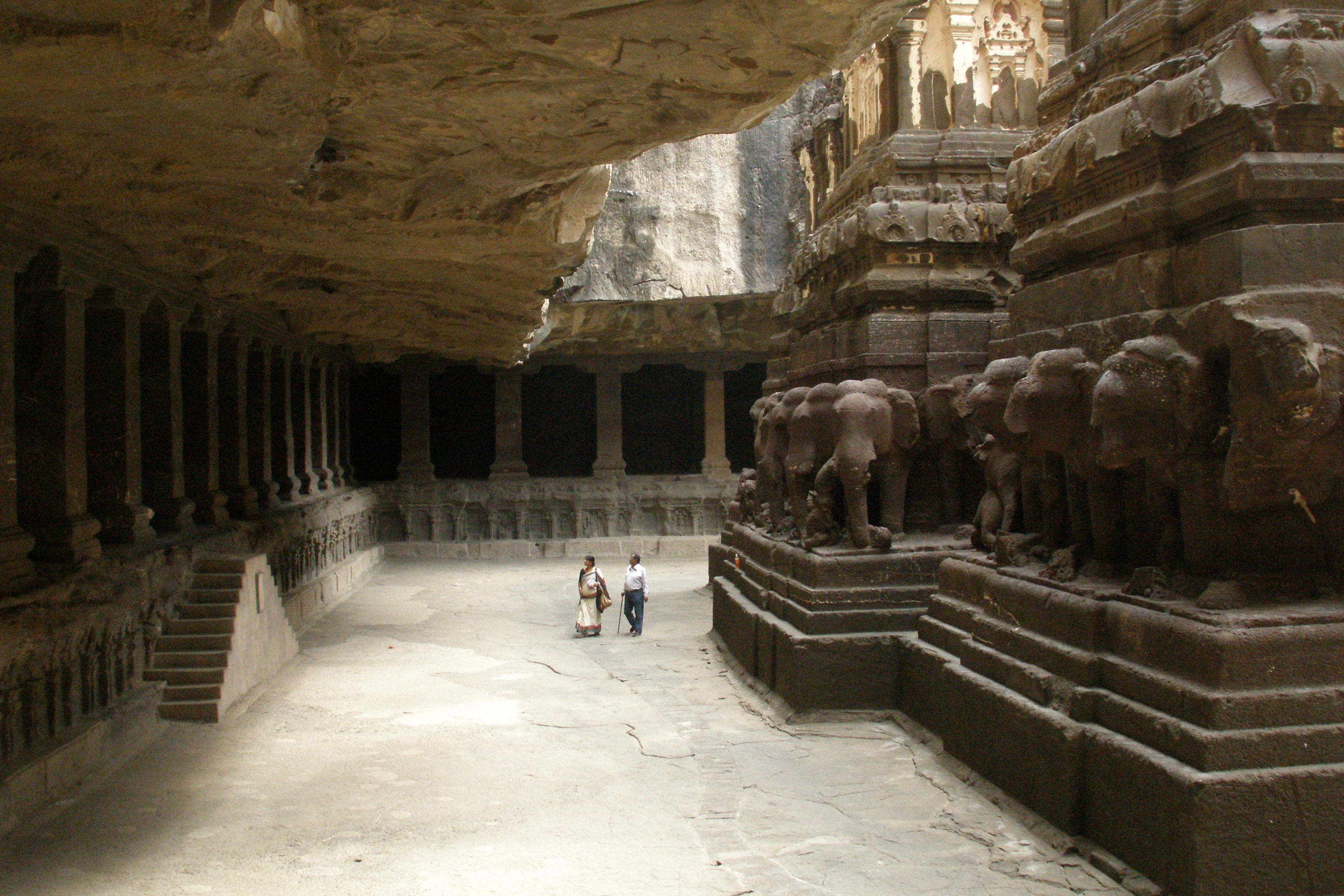
The Kailasa Temple was not built up but carved down, out of a single basalt cliff, while Buddhist, Hindu and Jain caves share the same rock face.

It took three generations and 103 years to finish, and its soapstone walls are covered in dancers and musicians.

Generations of master sculptors worked on it for over a century, wrapping its walls in epics and thousands of figures, and it was never fully completed.
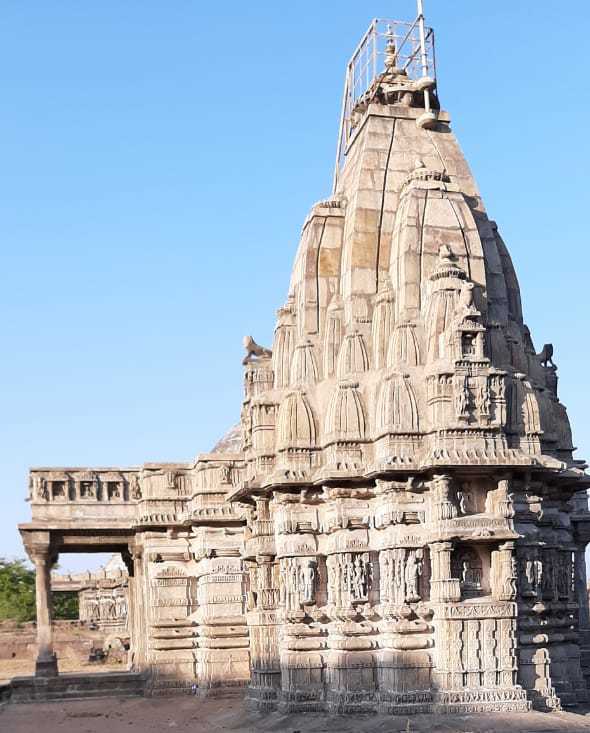
When Sultan Bahadur Shah lost it to the Mughals in 1535, the city was abandoned so abruptly that it was never resettled, leaving its 15th-century street plan almost intact.

A queen built this stepwell seven levels deep in memory of her husband. Silt buried it for centuries, and when it was excavated in the 1980s, over 500 sculptures were waiting.

It took ten years to build and still carries millions of commuters every day, beneath a Gothic dome crowned with a statue of Progress.

Portuguese colonists found a stone elephant on the shore and named the island for it. Inside, a towering Shiva carved centuries earlier still watches.

Two eras of Mumbai stand within walking distance: Gothic towers raised by the British, and Art Deco built as Indian architects embraced modernism.

It was a widow's gift. Empress Bega Begum built it in 1565 for the husband she lost, the first garden-tomb in India and the blueprint for the Taj Mahal.

Struck by lightning and rebuilt more than once, it has risen since 1192 to mark the start of Muslim rule in Delhi.

Every 15 August, India's Prime Minister raises the flag from Lahori Gate here, at the old seat of Mughal power.
Looking for something else? Search all heritage places →