
Loading…
Loading…
41 of 41 places

Built to welcome a king, it became the gate through which the last British troops left India in 1948.

It took ten years to build and still carries millions of commuters every day, beneath a Gothic dome crowned with a statue of Progress.

Portuguese colonists found a stone elephant on the shore and named the island for it. Inside, a towering Shiva carved centuries earlier still watches.

It began in 1922 as a museum named for a visiting prince, and grew into a home for over 50,000 artefacts, from Indus Valley antiquities to Mughal miniatures.

Mumbai's oldest museum, restored to its 1872 grandeur, now stands guard over a giant replica of the Elephanta Caves' Trimurti.
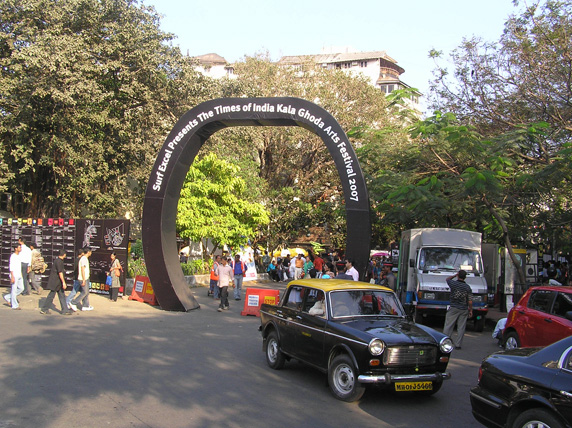
The black horse is long gone, but the name stayed. Today the lanes fill with galleries, cafes and a yearly arts festival.

Over 1,000 monks once lived and studied among these 109 caves, cut into basalt on the trade routes between the Deccan and the coast.
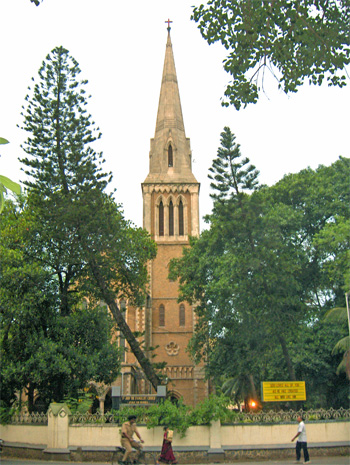
Built to remember soldiers killed in the First Anglo-Afghan War of 1838 to 1842, it carries their regiments in stained glass and marble.

The Portuguese built it in 1640 to watch for approaching ships. Now people come to watch the sun go down.
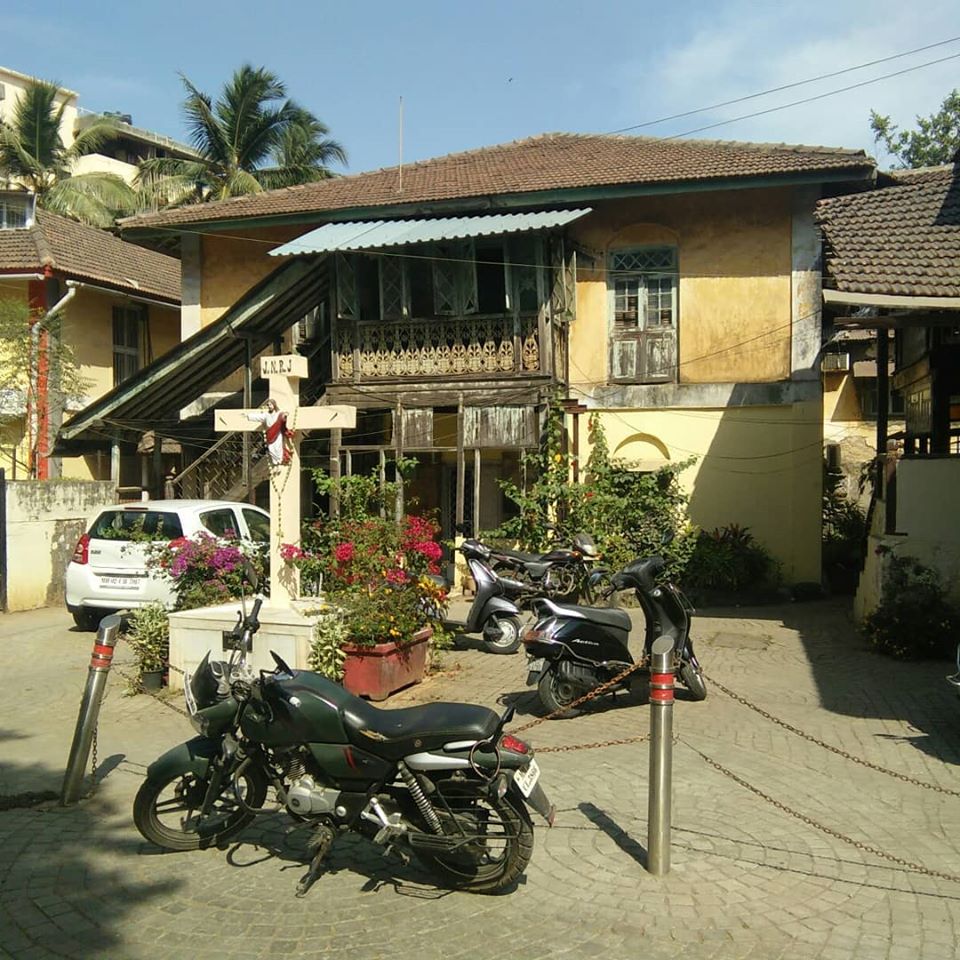
Portuguese fishing villages, old Catholic churches and the bungalows of the East Indian Catholic community, all within a single walk.
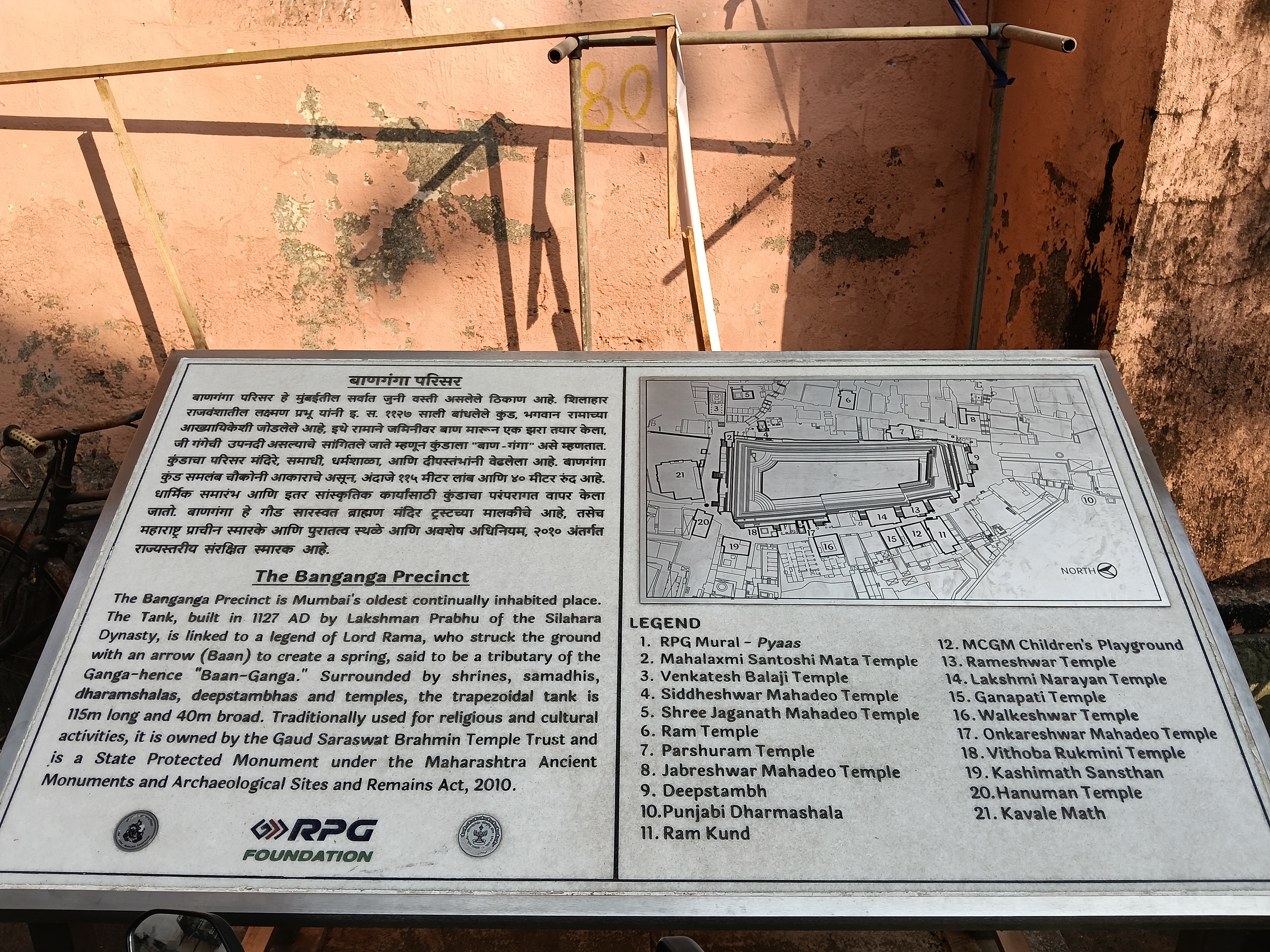
Legend says an arrow of Parashurama created this tank, which is central to Mumbai's origin story.
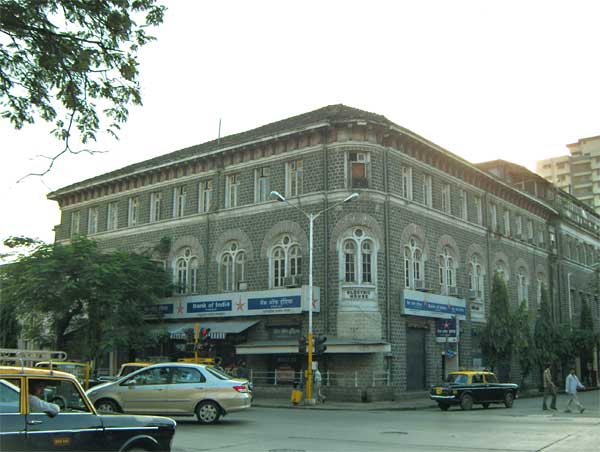
Mumbai's double-decker buses have been a fixture since 1937. Here they are kept, with old tram memorabilia, as part of the story of how the city moved.
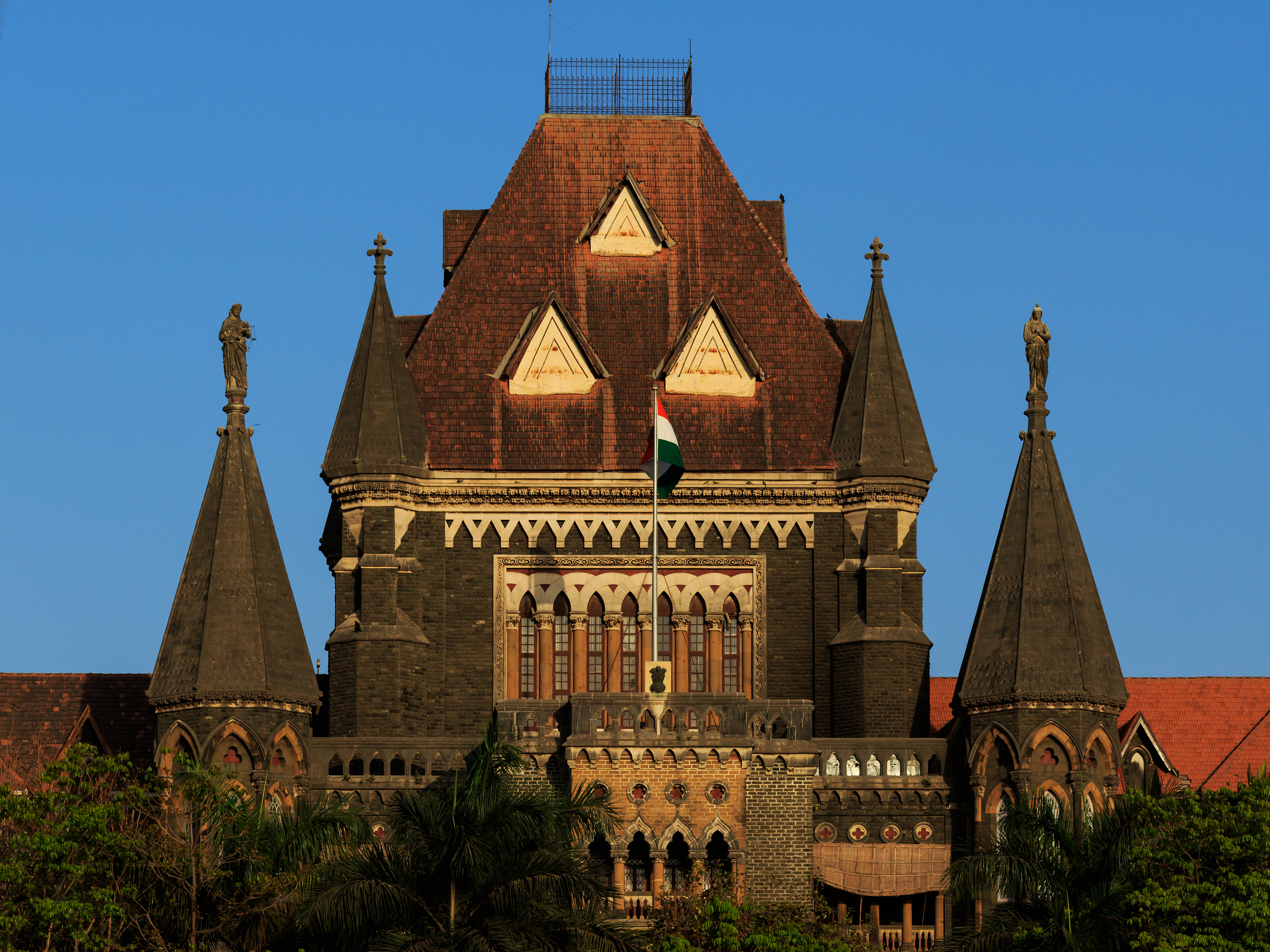
A working court in its original 1878 building keeps a small museum of its own, and the judicial history of colonial Bombay.
It took ten years to build and still carries millions of commuters every day, beneath a Gothic dome crowned with a statue of Progress.
It began in 1922 as a museum named for a visiting prince, and grew into a home for over 50,000 artefacts, from Indus Valley antiquities to Mughal miniatures.
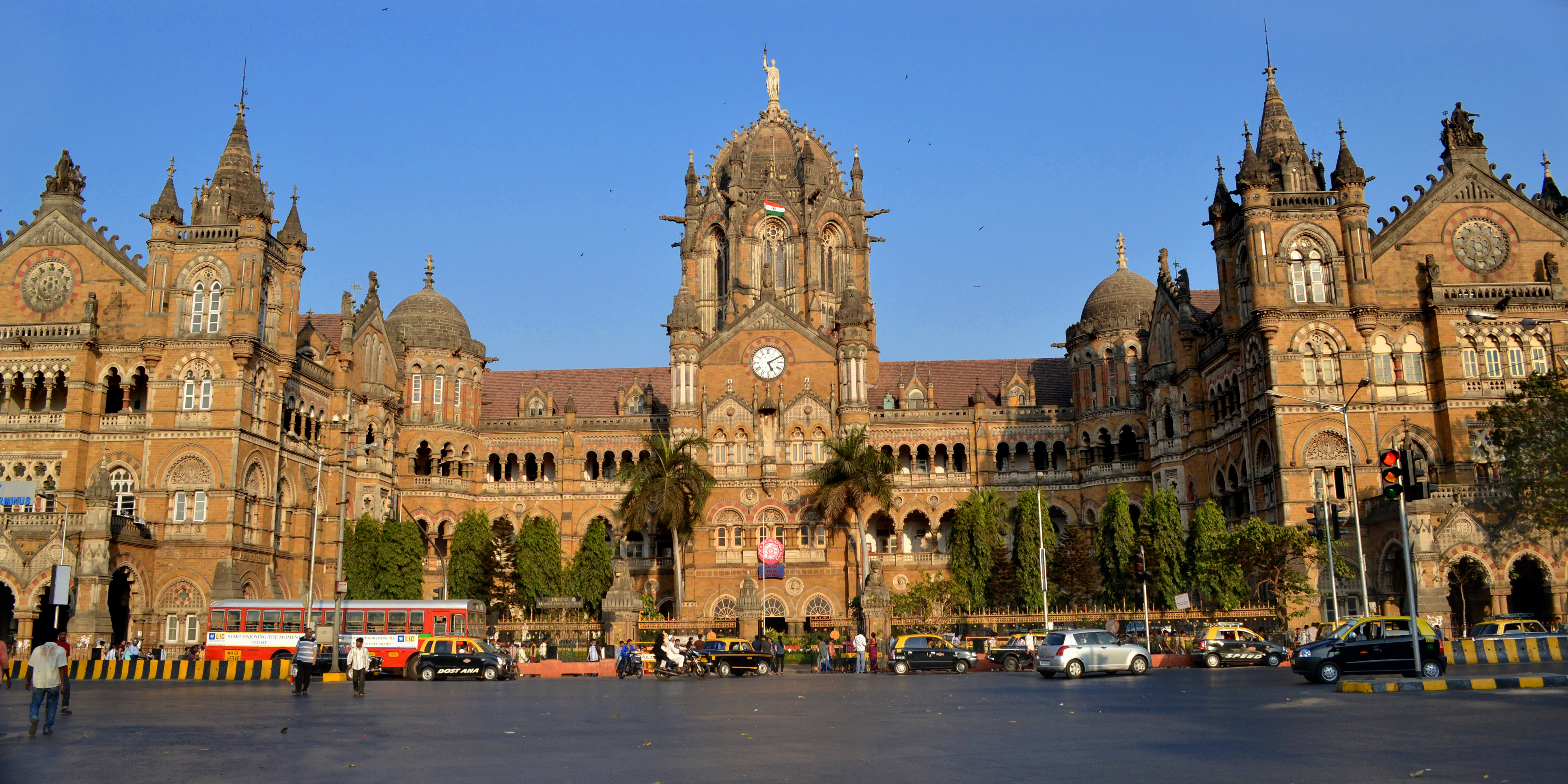
Inside one of the world's busiest stations, a small gallery keeps the story of India's railways, from vintage signals to the 1850s.

A merchant's gift to the city in 1847, still a working library after more than 175 years.
Mumbai's oldest museum, restored to its 1872 grandeur, now stands guard over a giant replica of the Elephanta Caves' Trimurti.
Portuguese colonists found a stone elephant on the shore and named the island for it. Inside, a towering Shiva carved centuries earlier still watches.

Built in 1864 to honour a governor, it has become an unofficial meeting point in the heart of the Fort district.

The walls of British Bombay were pulled down in the 1860s, yet the district still carries the name Fort.
Built to welcome a king, it became the gate through which the last British troops left India in 1948.
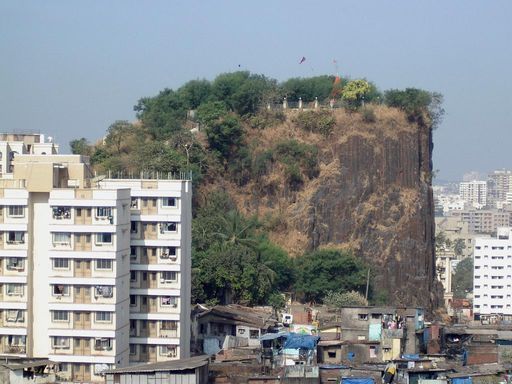
A 200-foot column of black basalt in Andheri, formed some 65 million years ago, its hexagonal columns echoing Ireland's Giant's Causeway.

The causeway to this shrine vanishes underwater at high tide, so pilgrims plan their visit around the sea.
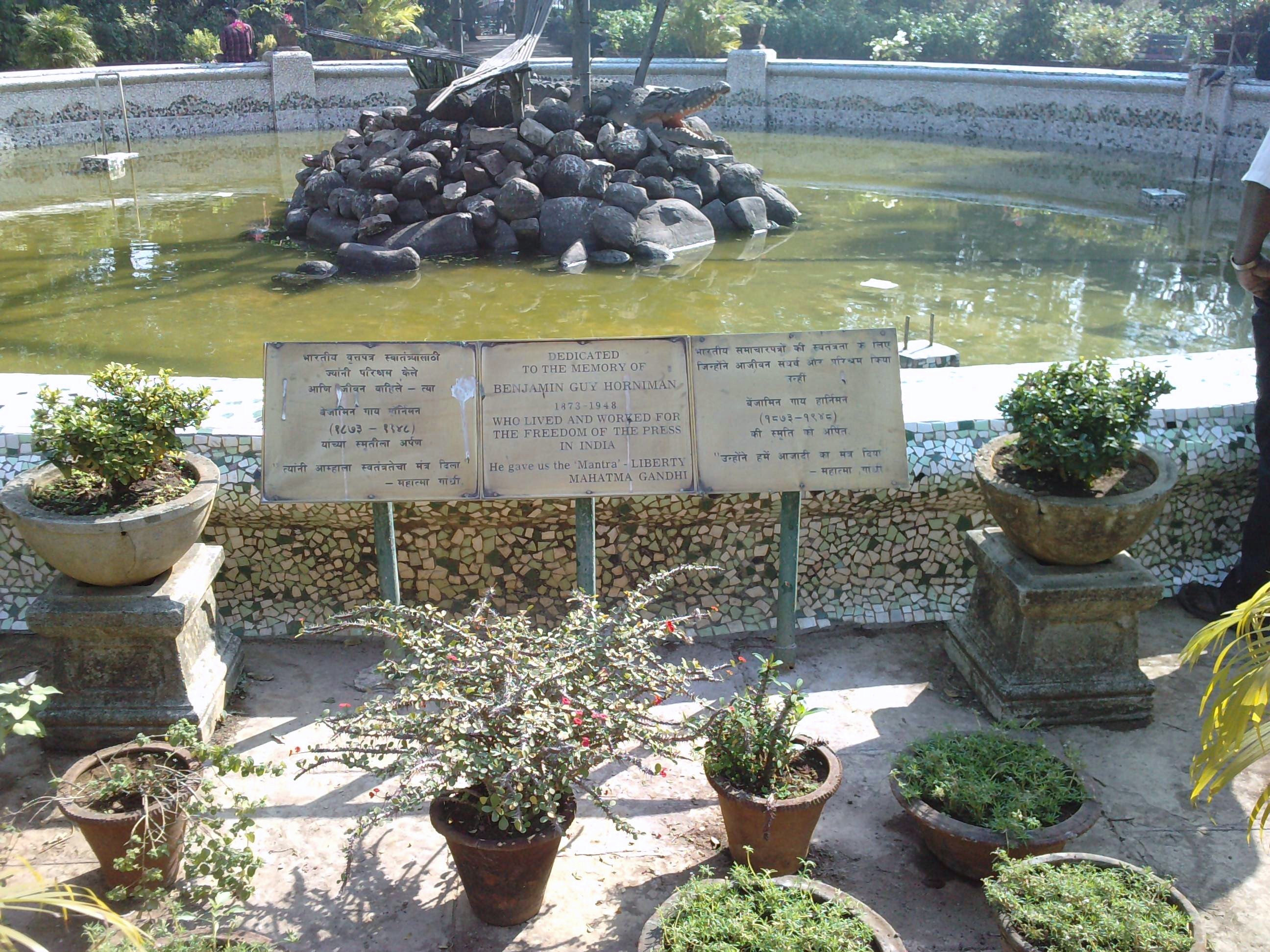
Bombay's first planned public square, laid out on the old Bombay Green, now a quiet garden ringed by Victorian Gothic buildings.

Since 1952, artists like M.F. Husain and F.N. Souza have shown their work here, in halls rented to newcomers and celebrated names alike.

Believed to date to the 6th century, these caves hold a quiet turning point, where Buddhist worship gave way to Hindu.
The black horse is long gone, but the name stayed. Today the lanes fill with galleries, cafes and a yearly arts festival.
Over 1,000 monks once lived and studied among these 109 caves, cut into basalt on the trade routes between the Deccan and the coast.

A son built it in 1884 in memory of his father. One of the few Baghdadi Jewish synagogues left in India, it is still a place of worship.
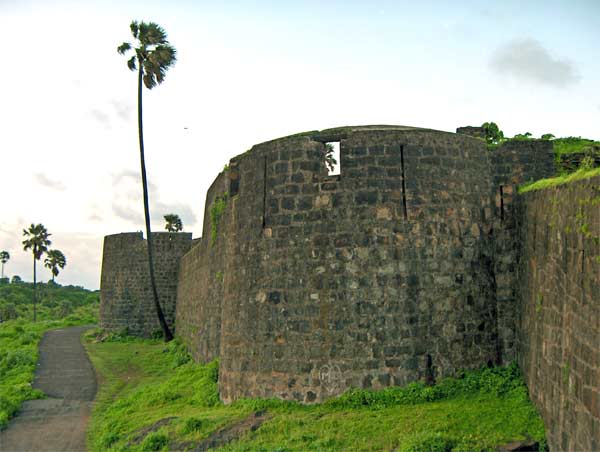
Portuguese, Maratha and British forces all contested it. Now its weathered walls sit quietly beside the beach.

Built to guard the gap between two separate islands, Mahim and Bandra. Only fragments of its walls remain among the crowded city.

Between 1917 and 1934, this Gamdevi house was Gandhi's home in Mumbai. Today a recreation of his room waits inside.
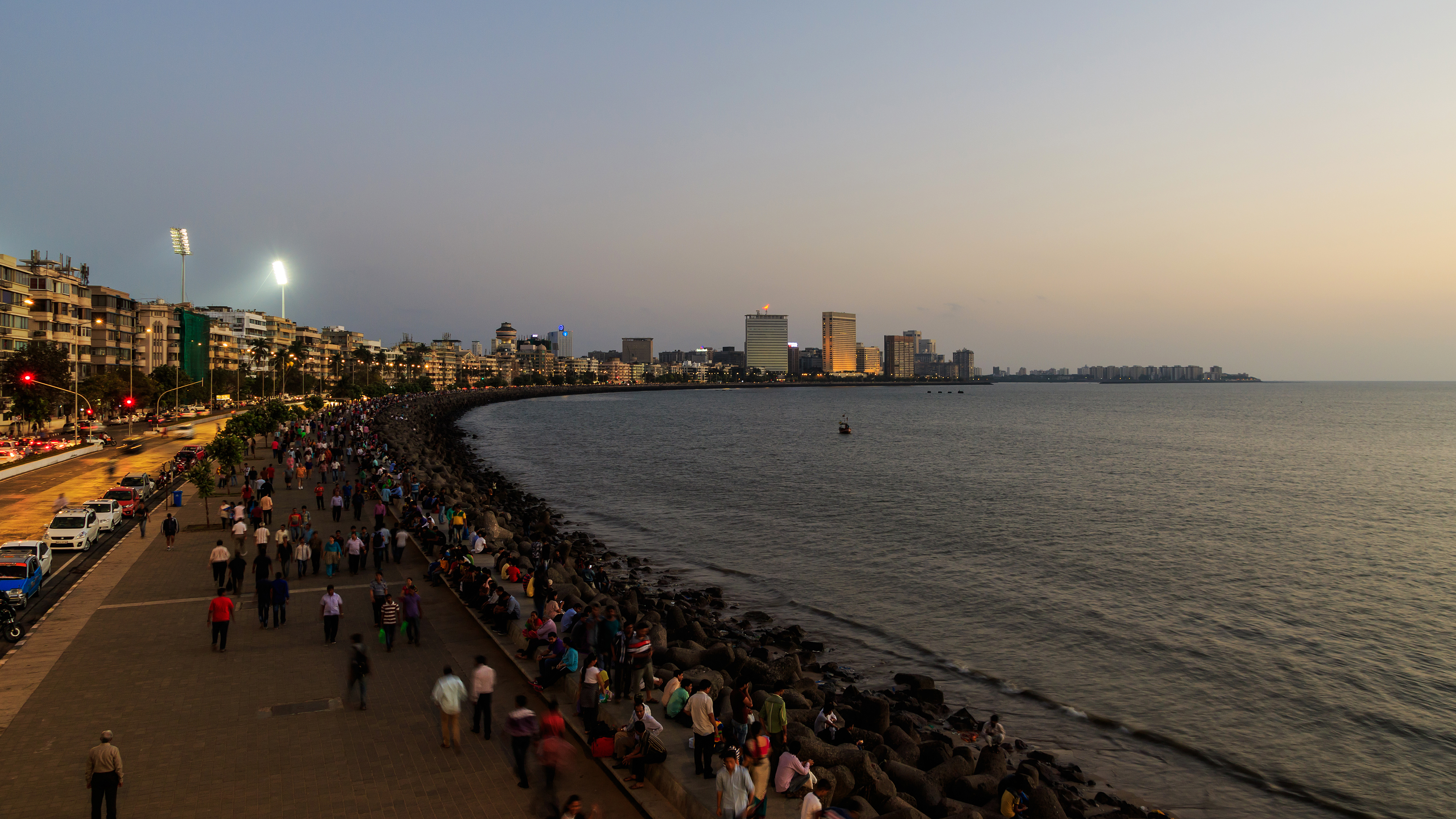
Over 100 Art Deco buildings curve along the waterfront, and at night the lights turn it into the Queen's Necklace.

Each September an eight-day feast draws pilgrims of all faiths to this hilltop basilica, where Hindus, Muslims and Christians alike come to ask for wishes.

A public hall built in 1911 was repurposed decades later, and now gives Indian modern and contemporary art a home.

From the Lumière Brothers' first screening in Bombay in 1896 to Bollywood's global rise, India's film story is told inside a restored 19th-century bungalow.

Built so that science could be touched and tried, not just looked at behind glass.

A green park where Victorian Gothic faces Art Deco, and where weekend cricket has long been part of the city's rhythm.

One of Mumbai's oldest religious structures, the Masjid Banai, stands in what was a major medieval settlement.

A banker named it for his mother. Built to echo Big Ben, its stone figures show people of different communities in their regional dress.

Coins more than 2,500 years old sit beside the very first coin India issued after independence.

A little-known ruin from the days when Bombay was seven islands split by tidal creeks. Very little remains, and even its history is thinly recorded.

Every winter, thousands of migratory flamingos arrive on the mudflats beneath these crumbling ramparts.
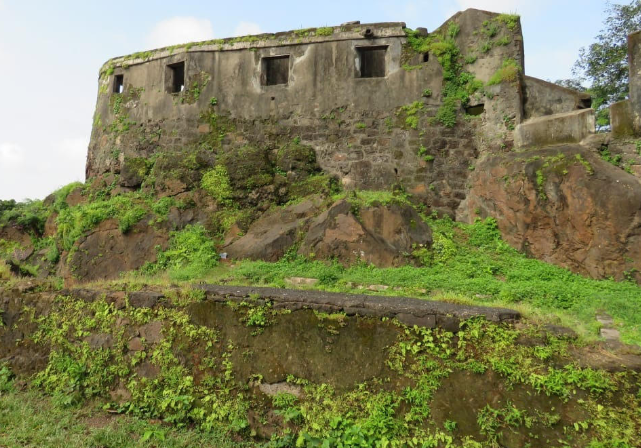
It once marked the border between British Bombay and Portuguese Salsette, and its ruins still look over the creek.

Consecrated on Christmas Day 1718 after an earlier attempt failed, when the empty plot was mocked as Spratt's Folly.

Two eras of Mumbai stand within walking distance: Gothic towers raised by the British, and Art Deco built as Indian architects embraced modernism.

One of a chain of watchtowers across Mumbai's seven original islands, now a quiet sunset spot for locals.