
Loading…
Loading…
17 of 17 places

The seat of the Peshwas for over 130 years burned in 1828, leaving only stone gates and foundations, one gate still studded with spikes meant to stop war elephants.

Built in 1892 as an act of charity during a famine, it later became a prison. Gandhi was held here during Quit India, and Kasturba Gandhi and Mahadev Desai died in custody. Their memorials stand in the garden.

Its name means Lion's Fort, after the 1670 battle in which Tanaji Malusare died recapturing it.
Built in 1892 as an act of charity during a famine, it later became a prison. Gandhi was held here during Quit India, and Kasturba Gandhi and Mahadev Desai died in custody. Their memorials stand in the garden.

Believed to be where the young Shivaji spent his childhood. What stands today is a 1980s reconstruction after fire destroyed the original.

An eternal flame and a wall of names honour soldiers who died in the wars of 1947 to 1948, 1965, 1971 and Kargil.

Built in 1981 by Japanese landscapers as a symbol of India-Japan friendship, with a pagoda, a bridge and water features.

More than a hundred stone steps climb to a Peshwa-era temple complex, with sweeping views over Pune from the top.

Carved from a single basalt rock in the 8th century, and left unfinished: an elephant sculpture that was never completed.

Sambhaji, Shivaji's son, was born here, and here in 1665 Shivaji signed a treaty ceding forts to the Mughals.

A father collected some 20,000 everyday objects, from lamps to nutcrackers, in memory of his son Raja, who died young.

Where Shivaji first raised the flag of Swarajya, self-rule, and where he ruled from for over 25 years before moving to Raigad.
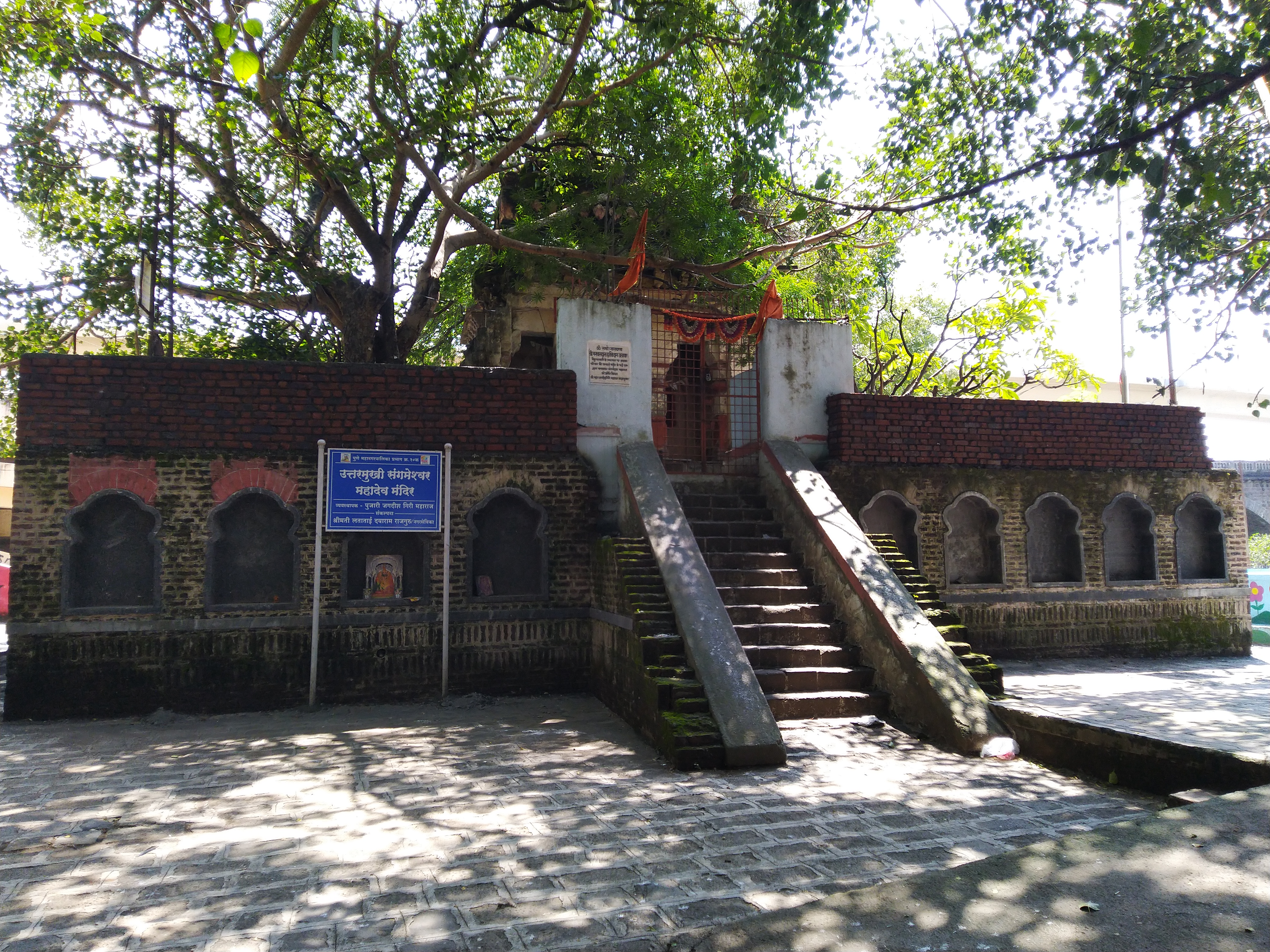
A small black basalt Shiva temple stands where the Karha and Chambli rivers meet near Saswad, built in the Yadava-era Hemadpanti style.
The seat of the Peshwas for over 130 years burned in 1828, leaving only stone gates and foundations, one gate still studded with spikes meant to stop war elephants.

Shivaji was born here in 1630, and a small temple to the goddess Shivai, whom he was named after, still stands.
Its name means Lion's Fort, after the 1670 battle in which Tanaji Malusare died recapturing it.

The first fort a teenage Shivaji captured, in 1646, marking the symbolic beginning of the Maratha Empire.

Warli paintings, tools and musical instruments tell the story of the Warli, Gond and Bhil communities of Maharashtra.

The Diamond Fort, built as a smaller stronghold to stand guard beside its larger neighbour, Purandar.

Its name means rest. Bajirao II built it as a leisure home, with a wooden facade carved in intricate detail.