
Loading…
Loading…
25 of 25 places

Every 15 August, India's Prime Minister raises the flag from Lahori Gate here, at the old seat of Mughal power.

Struck by lightning and rebuilt more than once, it has risen since 1192 to mark the start of Muslim rule in Delhi.

It was a widow's gift. Empress Bega Begum built it in 1565 for the husband she lost, the first garden-tomb in India and the blueprint for the Taj Mahal.

Believed to stand on Indraprastha, the legendary capital of the Pandavas. Humayun died here in 1556 after falling down its stairs.

Over 84,000 Indian soldiers who died in World War I and the Third Anglo-Afghan War are remembered here, their names inscribed directly onto its walls.

Over 200,000 artefacts span 5,000 years, from Harappan seals to Mughal miniatures, and a fragment of relics believed to be from the Buddha himself.
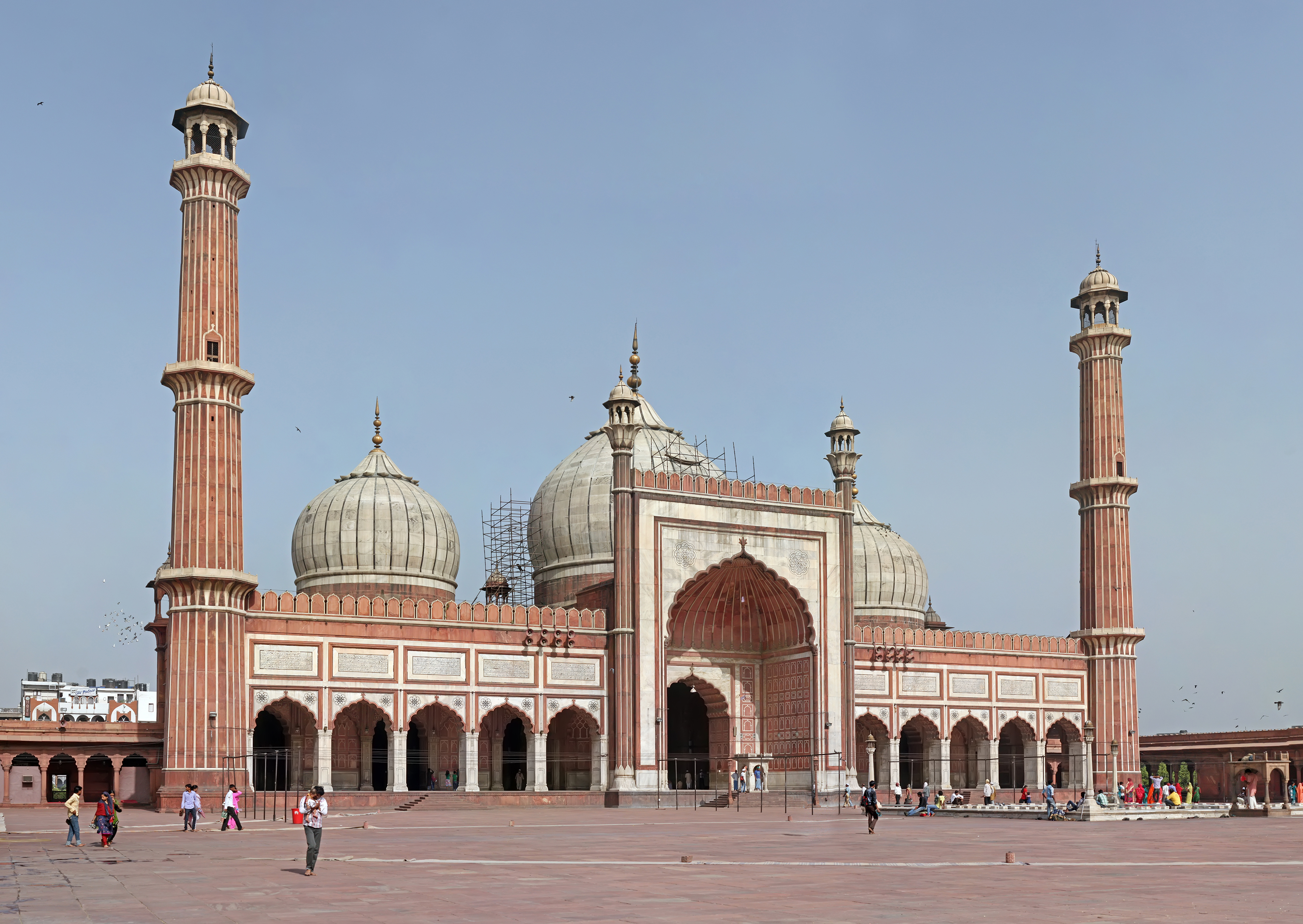
Shah Jahan's mosque took six years to build, and its courtyard can hold 25,000 worshippers.

108 stone steps lead down to what was once a deep water tank, between walls built to pull your eye toward the water.
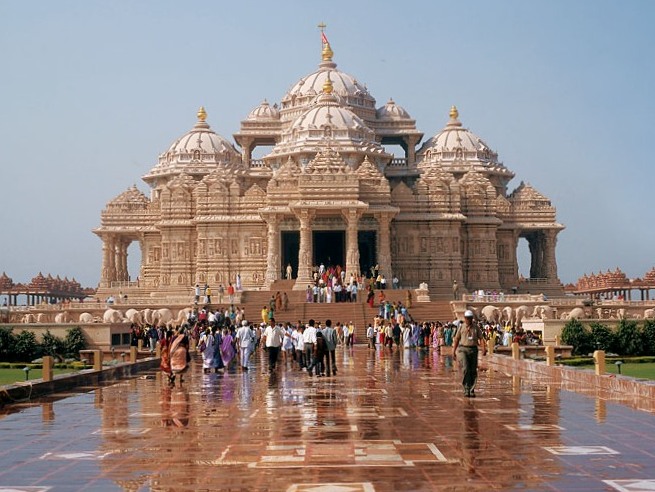
Built without a single piece of steel, from pink sandstone and Italian marble, by the hands of over 7,000 artisans.

Feroz Shah Tughlaq had an Ashokan pillar moved here, and it still stands among the ruins of his fortress.

Gandhi lived here for his last 144 days, from 9 September 1947. On 30 January 1948 he was assassinated on these grounds, and a line of footsteps cast in concrete traces his last walk to the prayer meeting.

A 13th-century royal reservoir, later a madrasa and tomb complex, now sits beside one of Delhi's trendiest villages.
It was a widow's gift. Empress Bega Begum built it in 1565 for the husband she lost, the first garden-tomb in India and the blueprint for the Taj Mahal.
Over 84,000 Indian soldiers who died in World War I and the Third Anglo-Afghan War are remembered here, their names inscribed directly onto its walls.

Her home while Prime Minister, and the place she was assassinated in 1984. A crystal walkway marks the spot where she fell.
Shah Jahan's mosque took six years to build, and its courtyard can hold 25,000 worshippers.

In 1724 a maharaja built stone instruments to track the sky, predict eclipses and measure time, one of five observatories he raised across northern India.

A modest marble memorial to Dr B.R. Ambedkar, architect of the Indian Constitution. Kirti means fame in Sanskrit.

Morning walkers pass 15th and 16th century tombs of Sayyid and Lodi rulers, in a park redesigned by British landscape architects in the 1930s.

No idols, no sermons, no rituals, only silence, open to people of every faith beneath 27 marble petals.

More than 100 monuments from over a thousand years of building lie scattered across 200 acres, from Sultanate ruins to late Mughal tombs.

Charles Correa designed it to feel like a village, and visiting craftspeople still work in front of visitors.

Housed in a former royal residence built in 1936, it holds the work of Amrita Sher-Gil, the Bengal School and M.F. Husain.
Over 200,000 artefacts span 5,000 years, from Harappan seals to Mughal miniatures, and a fragment of relics believed to be from the Buddha himself.

The Fairy Queen, built in 1855, is one of the world's oldest working steam locomotives, and it is kept here among royal saloon carriages and vintage engines.

Built as the residence of Britain's Commander-in-Chief in India, later Nehru's home, it now holds galleries for every Prime Minister.
Believed to stand on Indraprastha, the legendary capital of the Pandavas. Humayun died here in 1556 after falling down its stairs.
Struck by lightning and rebuilt more than once, it has risen since 1192 to mark the start of Muslim rule in Delhi.

On the banks of the Yamuna, a nation said goodbye. Gandhi's last words, Hey Ram, are carved into black marble beside an eternal flame.
Every 15 August, India's Prime Minister raises the flag from Lahori Gate here, at the old seat of Mughal power.

A son built it for his father between 1754 and 1774, and it has been called the last flicker of Mughal architecture.
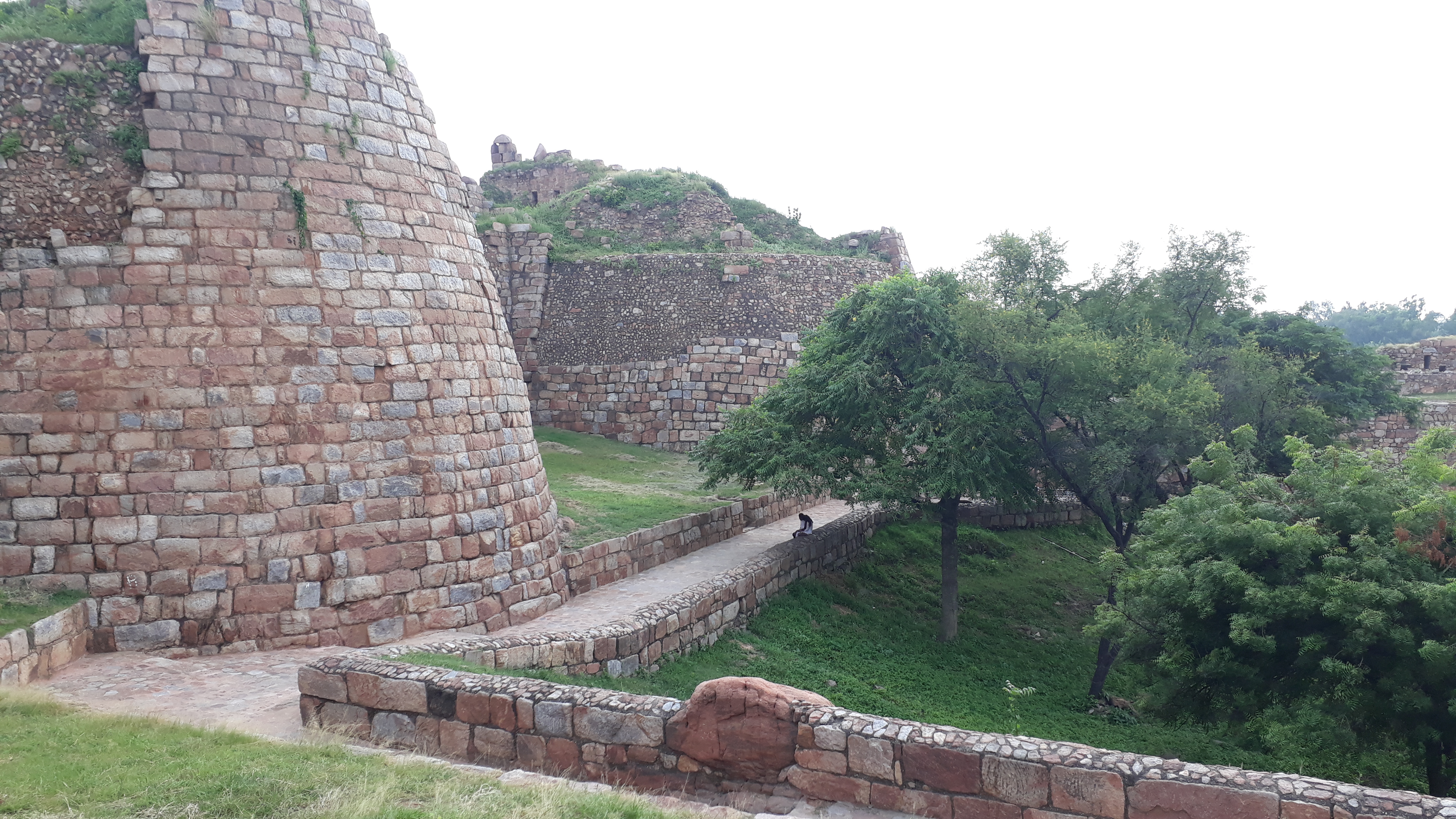
A city abandoned within years of completion. Legend blames a curse by the saint Nizamuddin Auliya, and water shortages are the other story.