
Loading…
Loading…
13 of 13 places

Rajasthan's oldest and largest museum holds one of only four Egyptian mummies in India.

The Kachwaha capital before Jaipur even existed, in red sandstone and white marble on a hilltop.
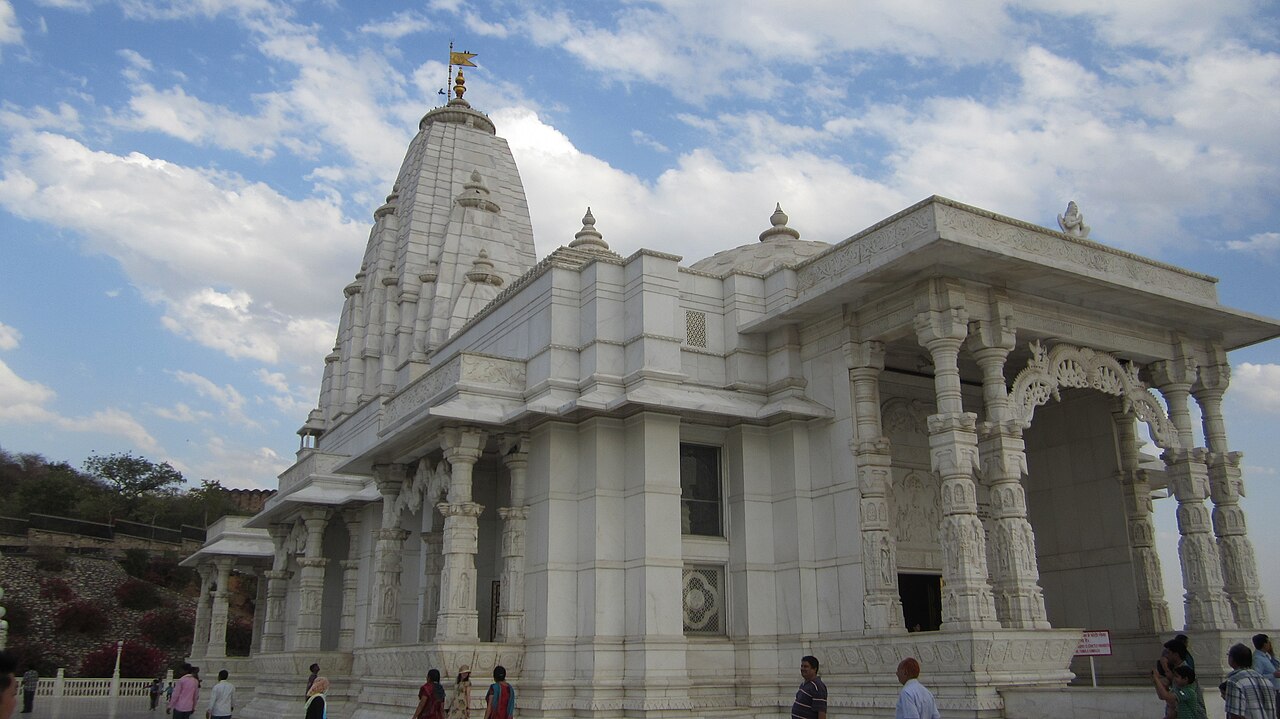
Three white-marble domes, meant to symbolise the coexistence of India's major faiths.

The ceremonial and administrative seat of the Jaipur maharajas, blending Rajput, Mughal and European styles.
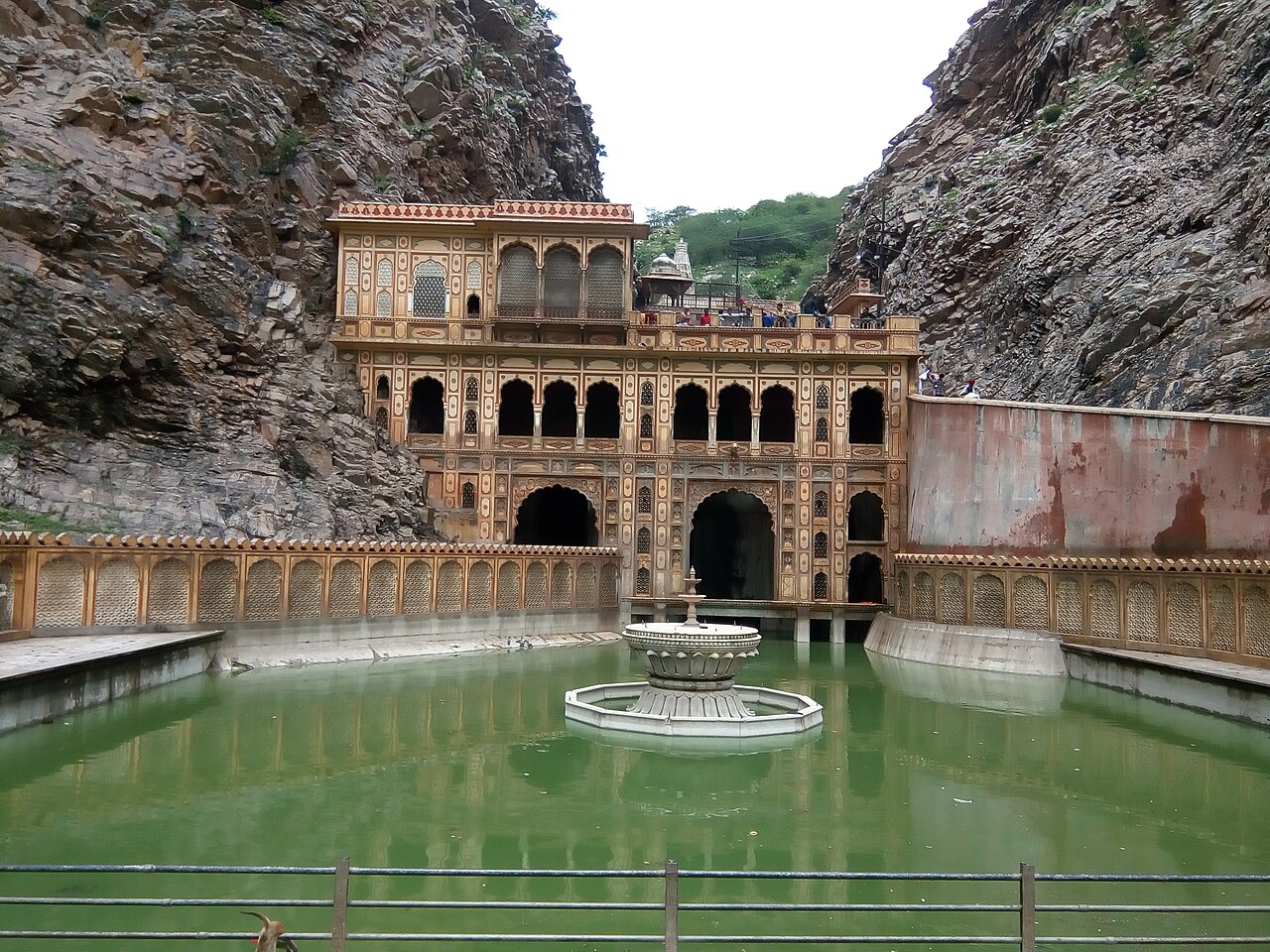
Hundreds of rhesus macaques live around a spring linked to the sage Galav, which is why it is known as the Monkey Temple.

953 carved windows were built so royal women could watch the street without being seen.

Built to protect Amber Fort and the royal treasury, it holds the Jaivana Cannon, the largest wheeled cannon ever cast in its era.
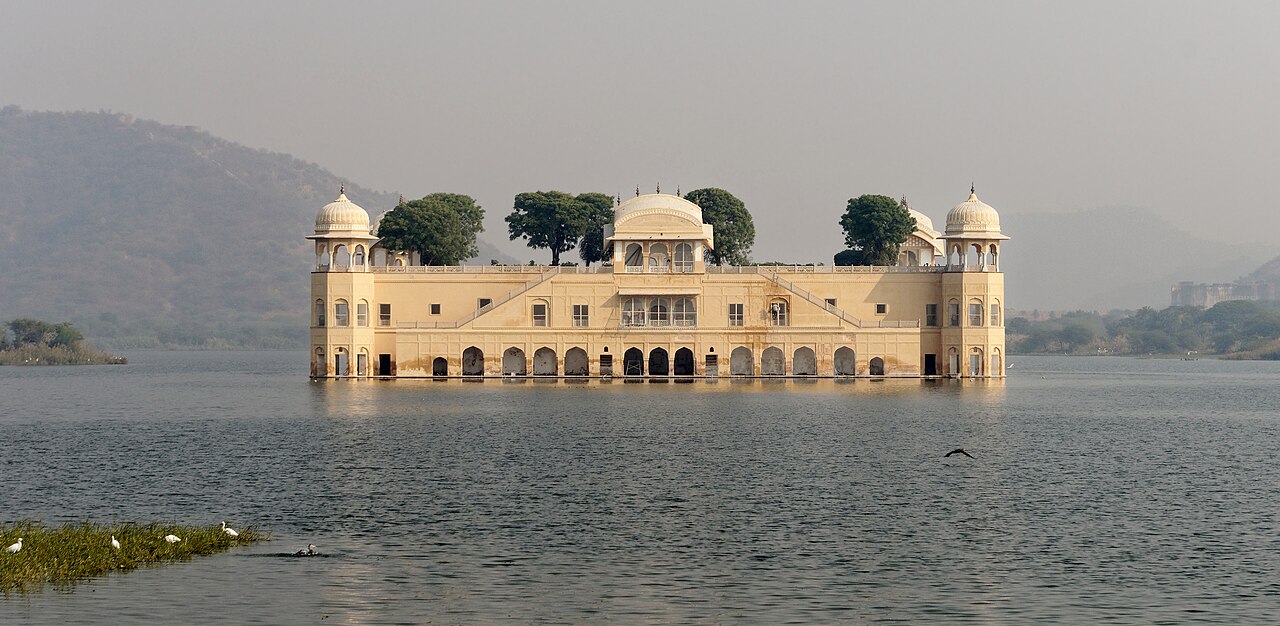
A palace that seems to float on Man Sagar Lake, with four of its five stories underwater, built as a duck-hunting lodge.

The world's largest stone sundial stands 27 metres tall among 19 instruments built to read the sky with the naked eye.

Part of a defensive ring with Amber and Jaigarh, and now the city's premier place to watch the sunset.

A gateway hand-painted with Rajasthani motifs, built to mark a newspaper group's centenary.

Built in tiers as a summer retreat, with pavilions, fountains and religious figures shown in colourful tiles.

Named for Vidyadhar, the chief architect of Jaipur, whose planned layout the garden reflects.