
Loading…
Loading…
20 of 20 places

Life-size statues bring traditional Goan life to an open-air museum in Loutolim.

Home to the remains of St Francis Xavier, in a silver-and-glass casket gifted by the Grand Duke of Tuscany.

Cliffs drop steeply to the sea below this hillfort's Portuguese-era walls and the chapel inside them.

One of the oldest places of Christian worship in Goa, a 17th-century Portuguese chapel.

A Maratha base camp in the 1680s, now known around the world as the Dil Chahta Hai Fort, for its sunsets.

Built on the site of Goa's first Franciscan chapel, it keeps a Portuguese-Manueline portal found nowhere else in India.
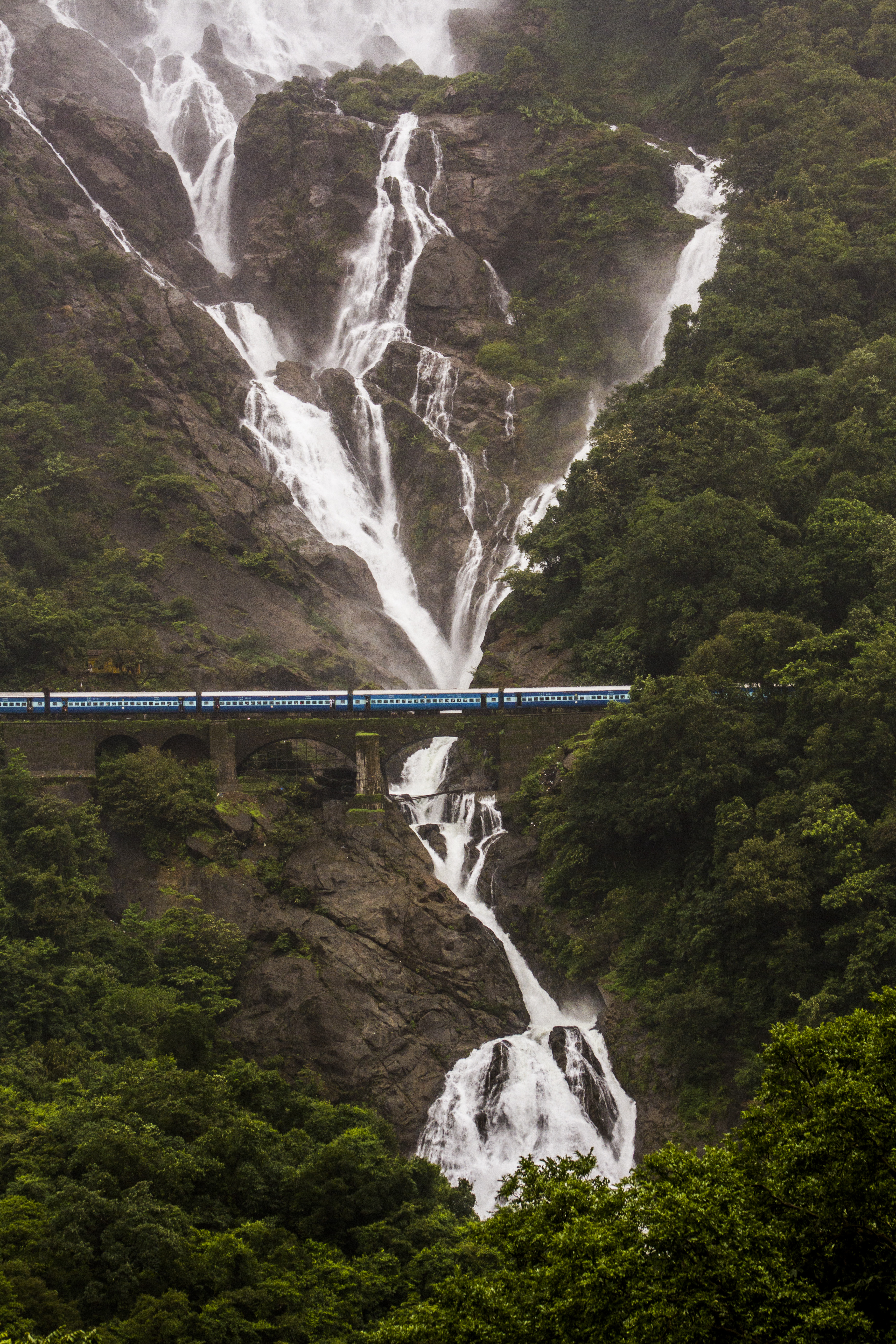
Its name means Sea of Milk, for the white foaming water of a 320-metre waterfall that falls in four tiers.

Colourful tile-roofed townhouses make Panaji's Latin Quarter feel like a piece of Portugal in India.

A four-story lighthouse, one of the oldest in Asia, rises from this 17th-century Portuguese fort at the mouth of the Mandovi.
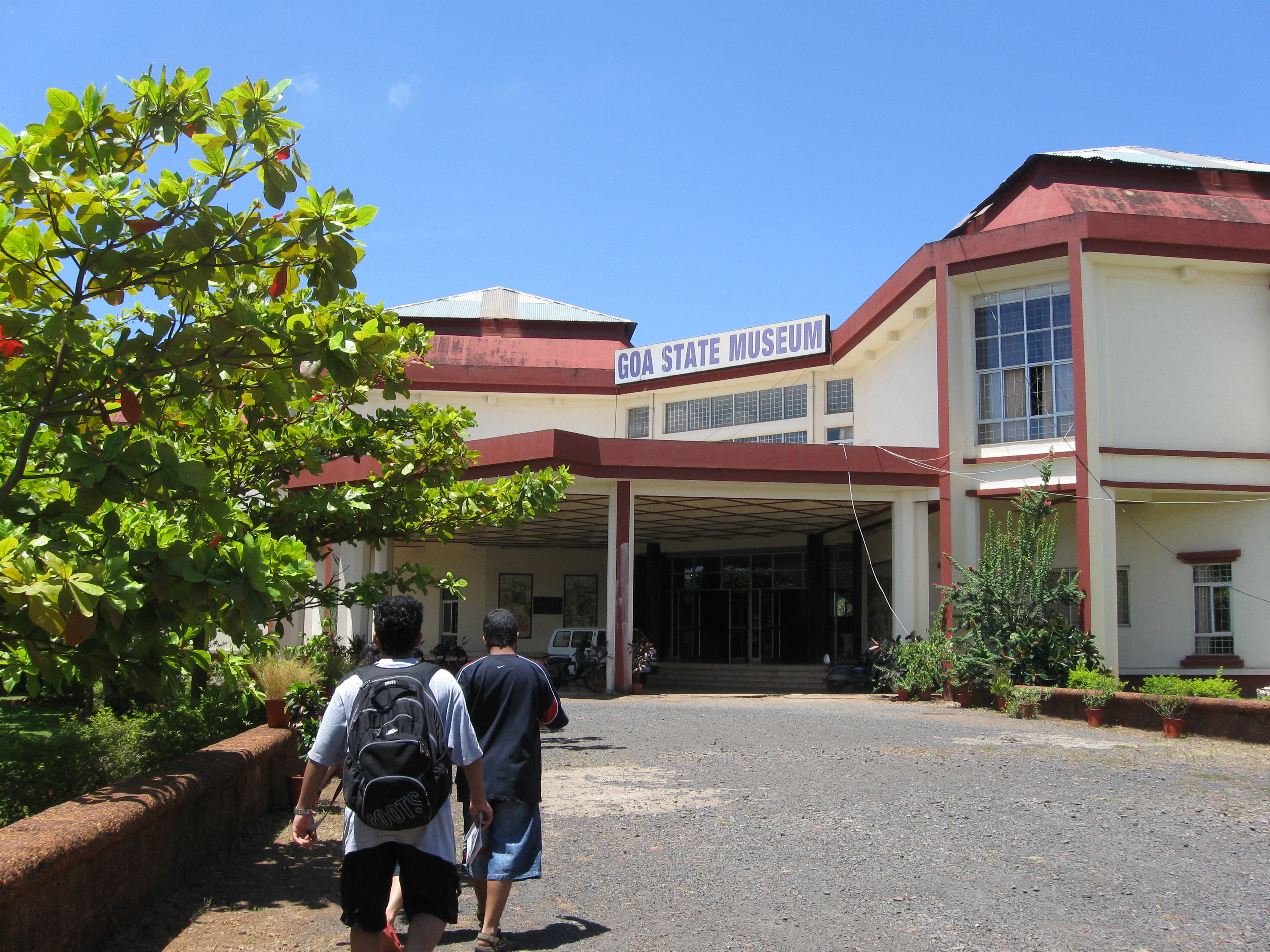
Goa's state museum is housed in the Adil Shah Palace, the former seat of the Portuguese colonial administration.
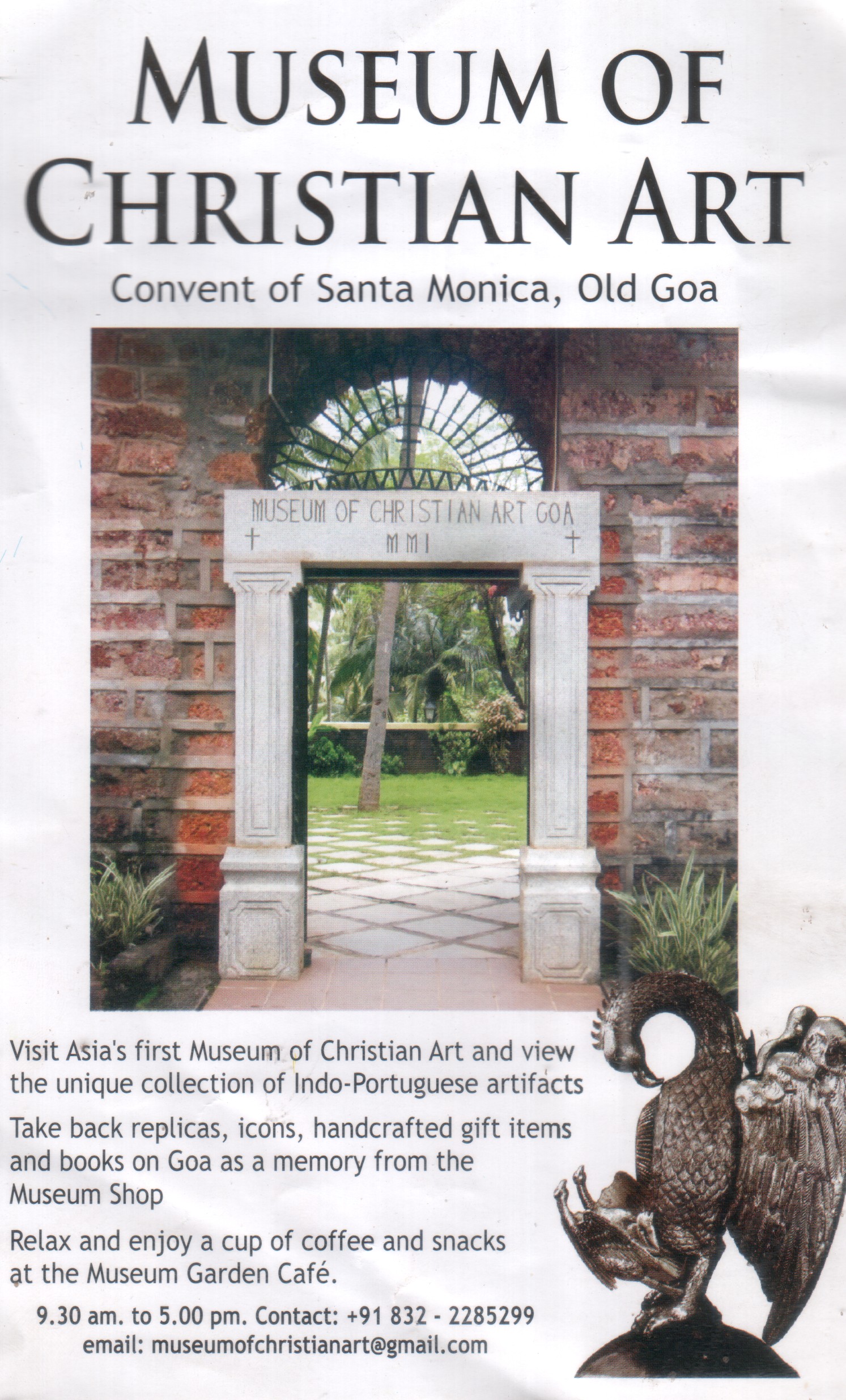
Old Goa was the capital of Portuguese India, and this museum in it keeps Christian religious art from the colonial era.
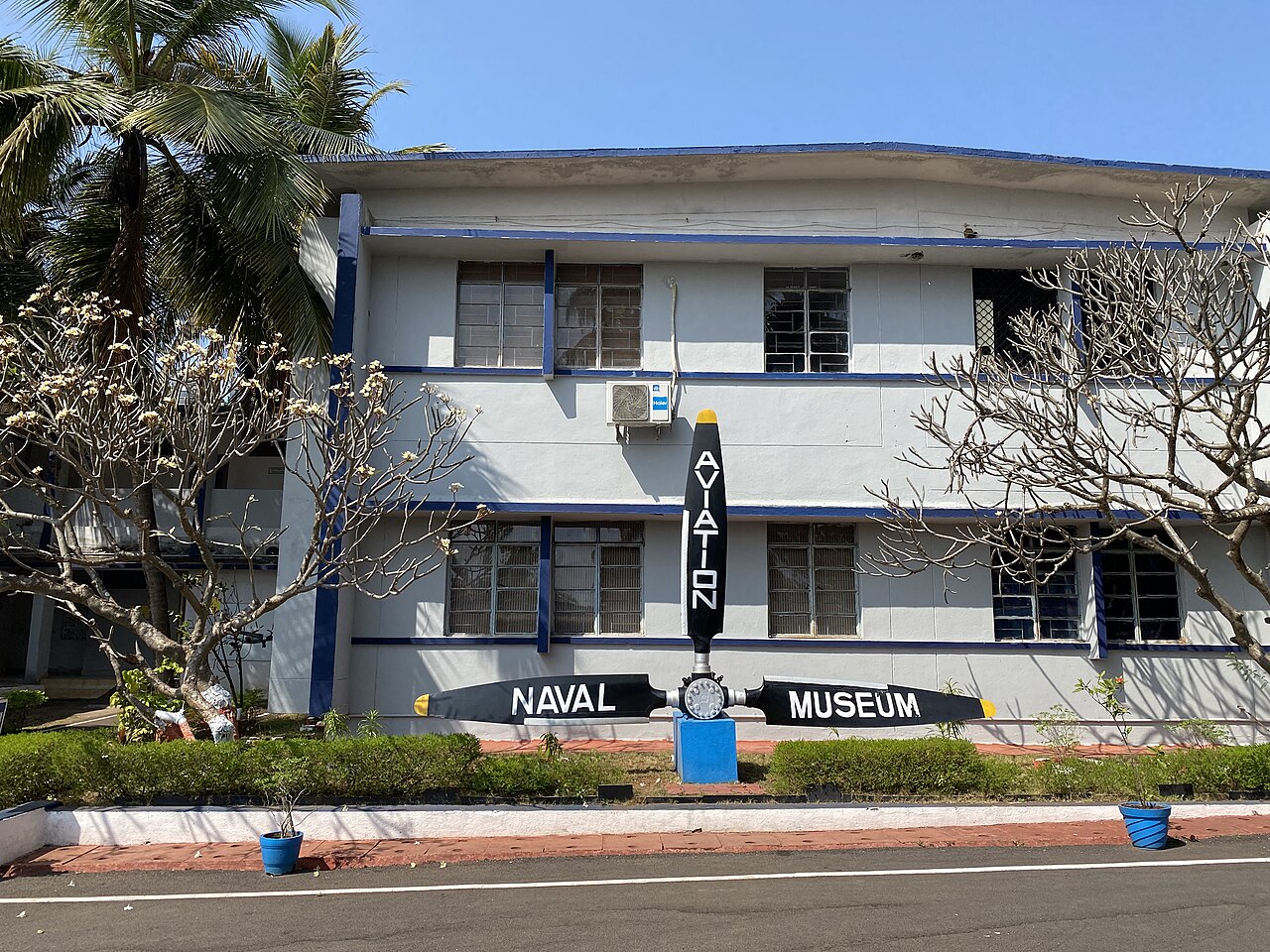
The only naval aviation museum in Asia, with decommissioned Sea Harriers and a hall for India's first aircraft carrier.

Italian Theatines built the Church of St Cajetan, part of the UNESCO World Heritage complex of Old Goa.

A fort that became a British-era prison, then reopened in 2012 as a cultural centre after a major restoration.

Built to commemorate a Portuguese victory in 1510, the largest church in Asia holds a Golden Bell renowned as one of the world's largest.
On Sundays the goddess is carried out in procession in a palakhi, a ritual tradition of this temple, which dates back to 1413.

Its idol was secretly moved overnight to escape forced conversion campaigns, and today a seven-story lamp tower marks the temple.
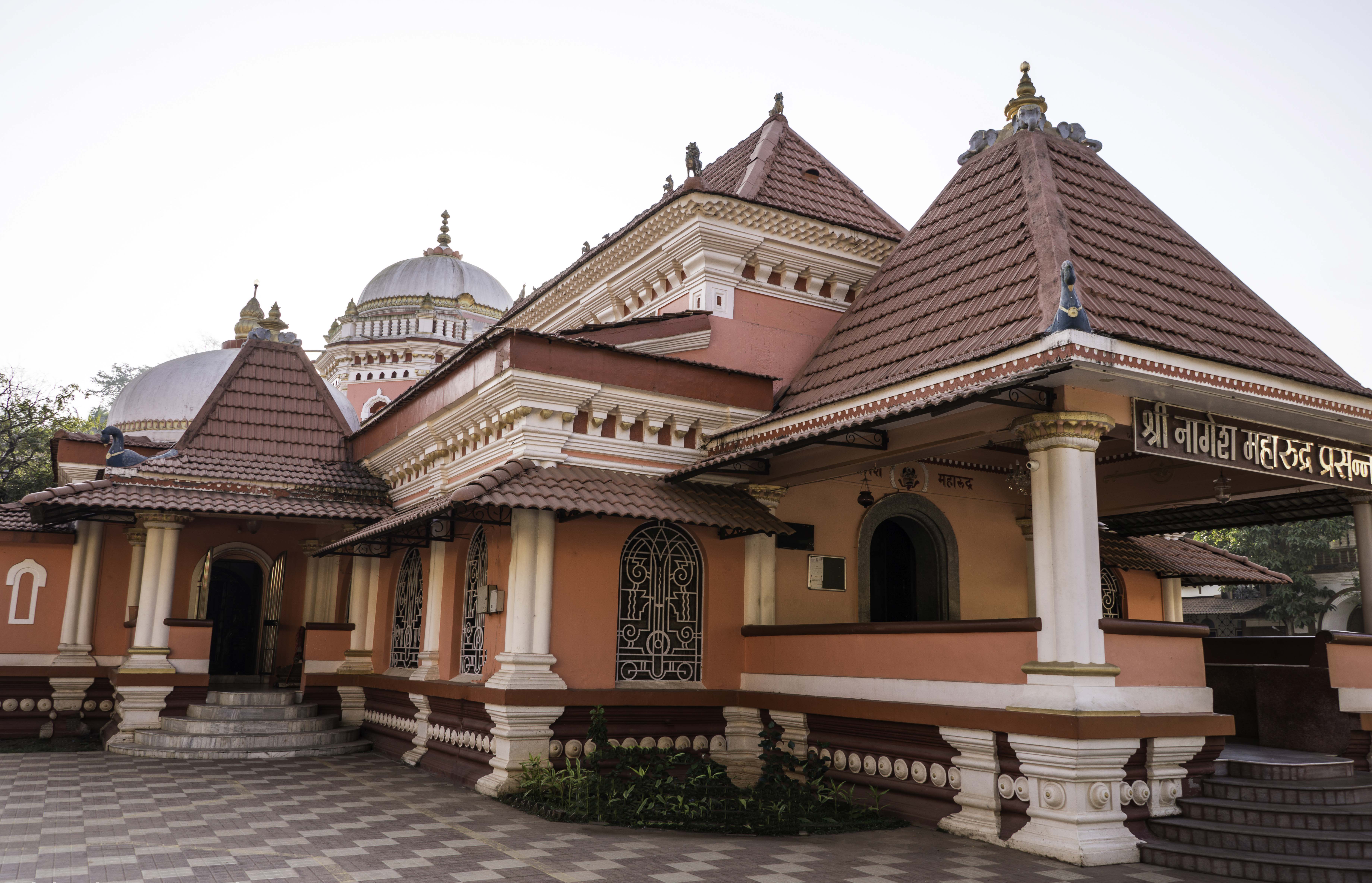
A self-manifested shrine of Shiva, believed over a thousand years old, with a water tank that reflects the idol and the lamps.
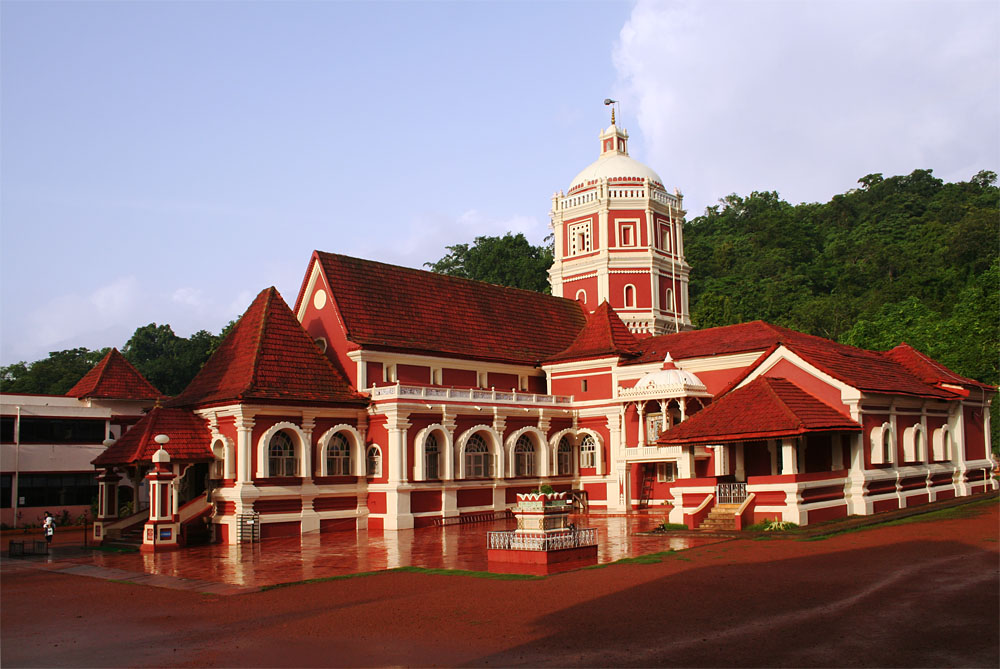
Its deity was smuggled out to escape religious persecution in the 16th century, and the temple was rebuilt with land granted by Peshwa Baji Rao I.
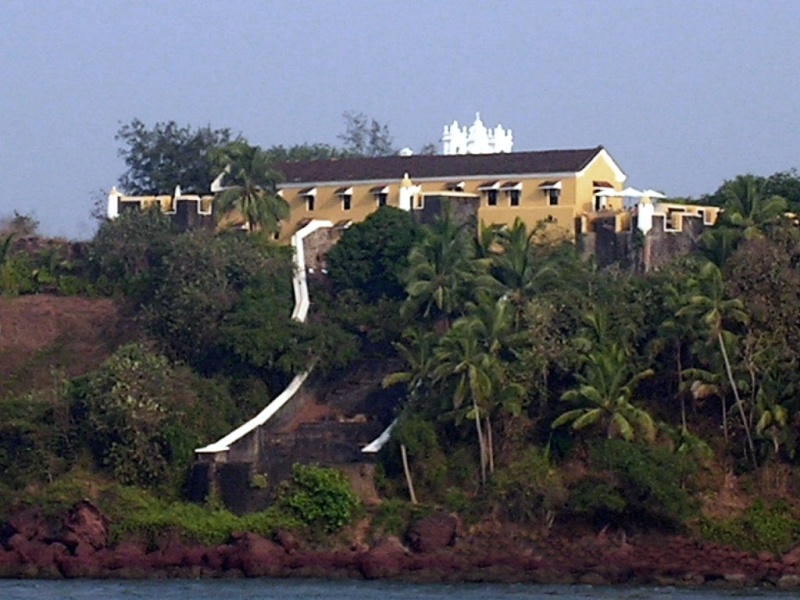
The fort saw four major battles, and now you reach it by a free ferry from Kerim across the Terekhol River.