
Loading…
Loading…
10 of 10 places
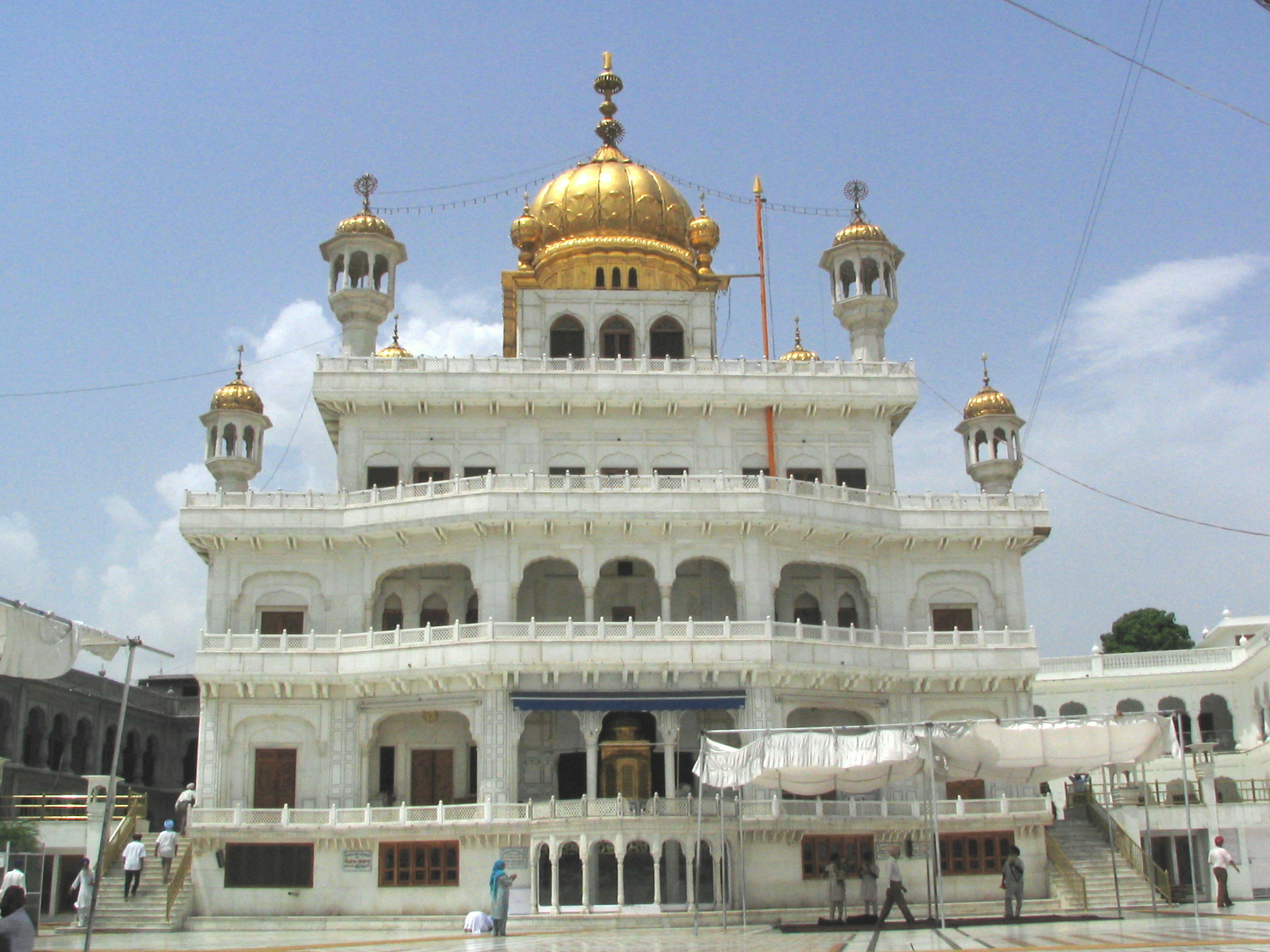
Its name means Throne of the Timeless One. It is the foremost of Sikhism's five Takhts, where the community's temporal and spiritual matters are decided.
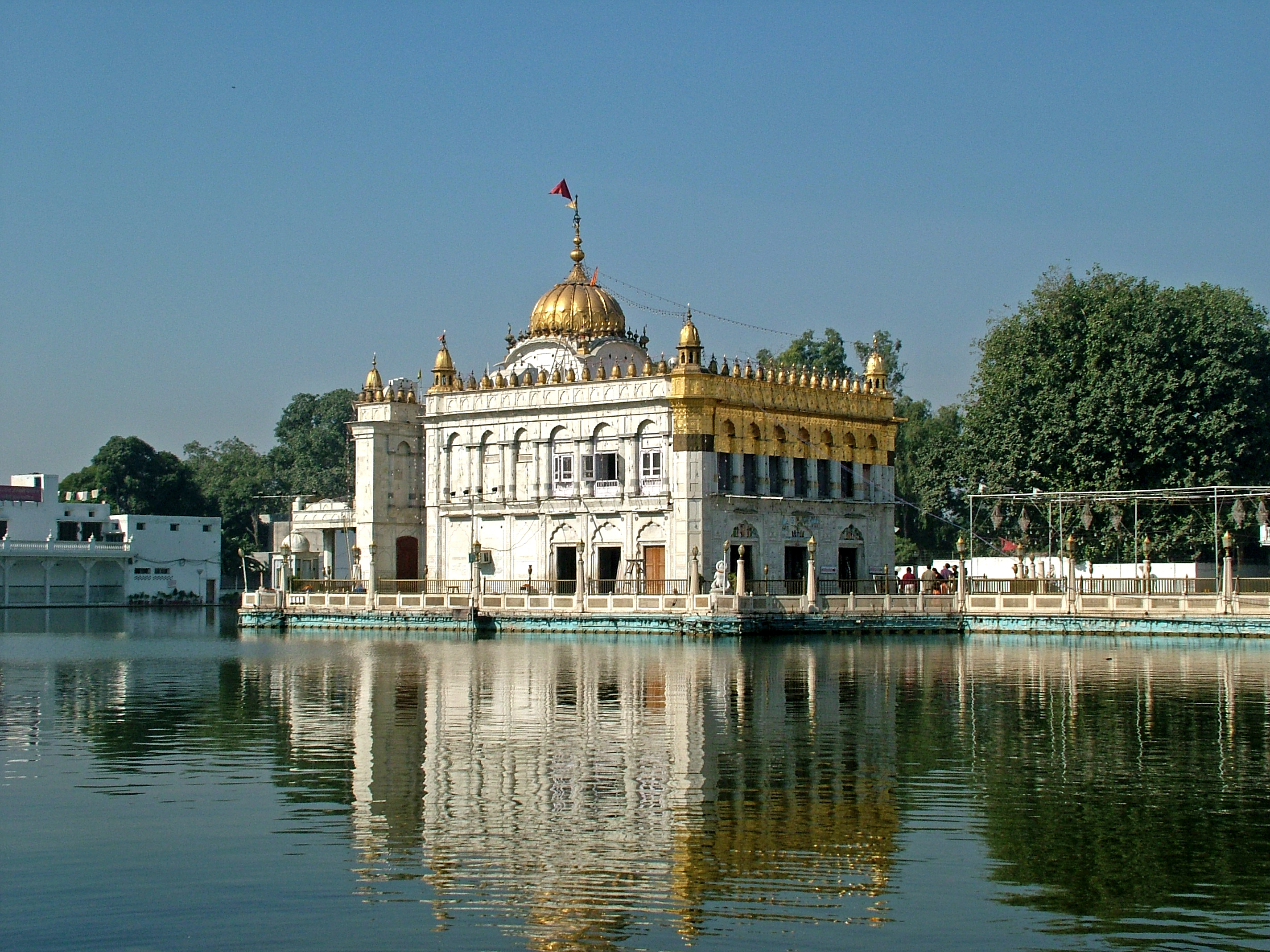
Built in the middle of a sacred lake, and so like the Golden Temple that first-time visitors sometimes mistake one for the other in photos.
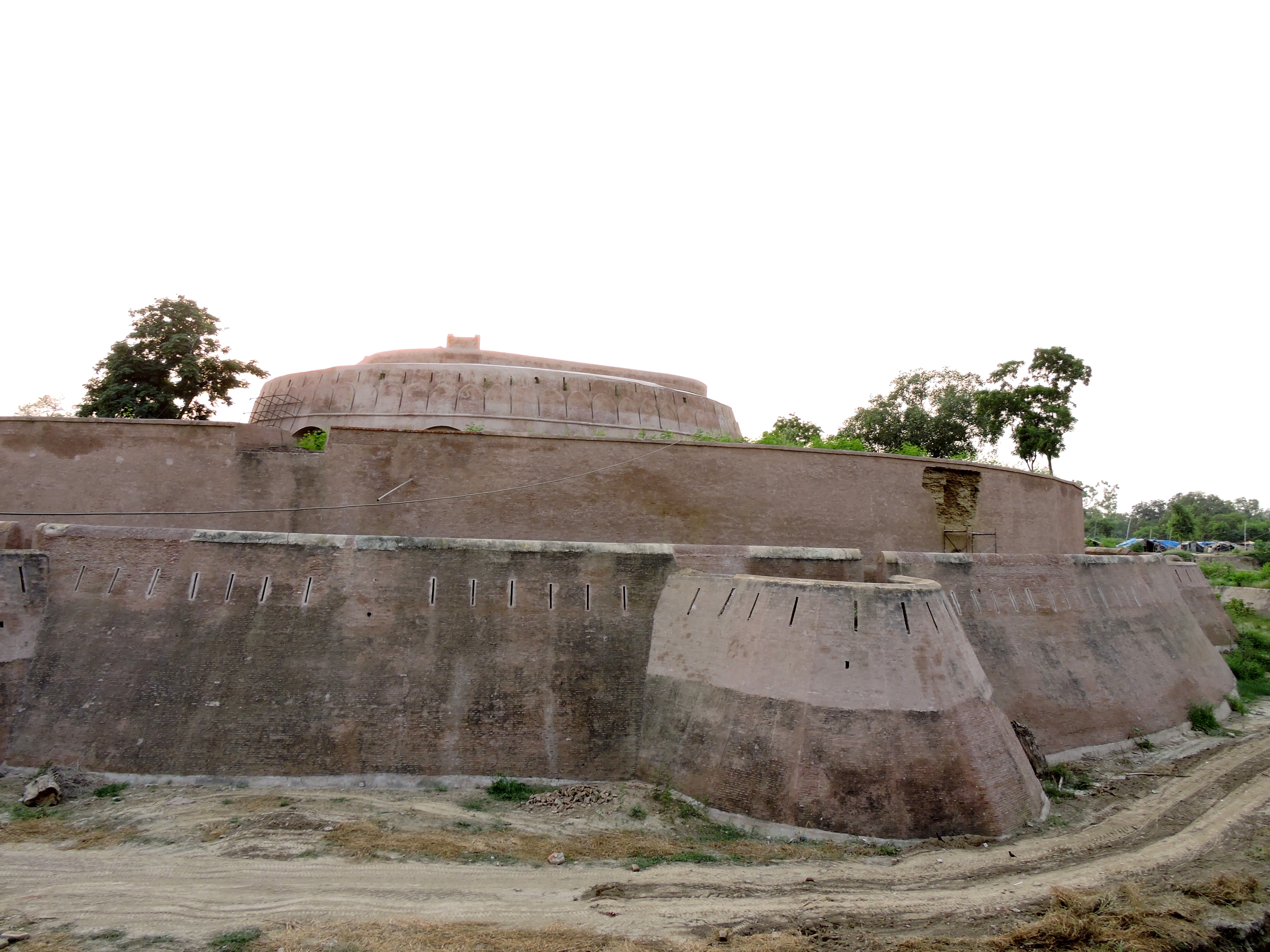
Under continuous military control for over 150 years, it opened to civilians only in 2017.
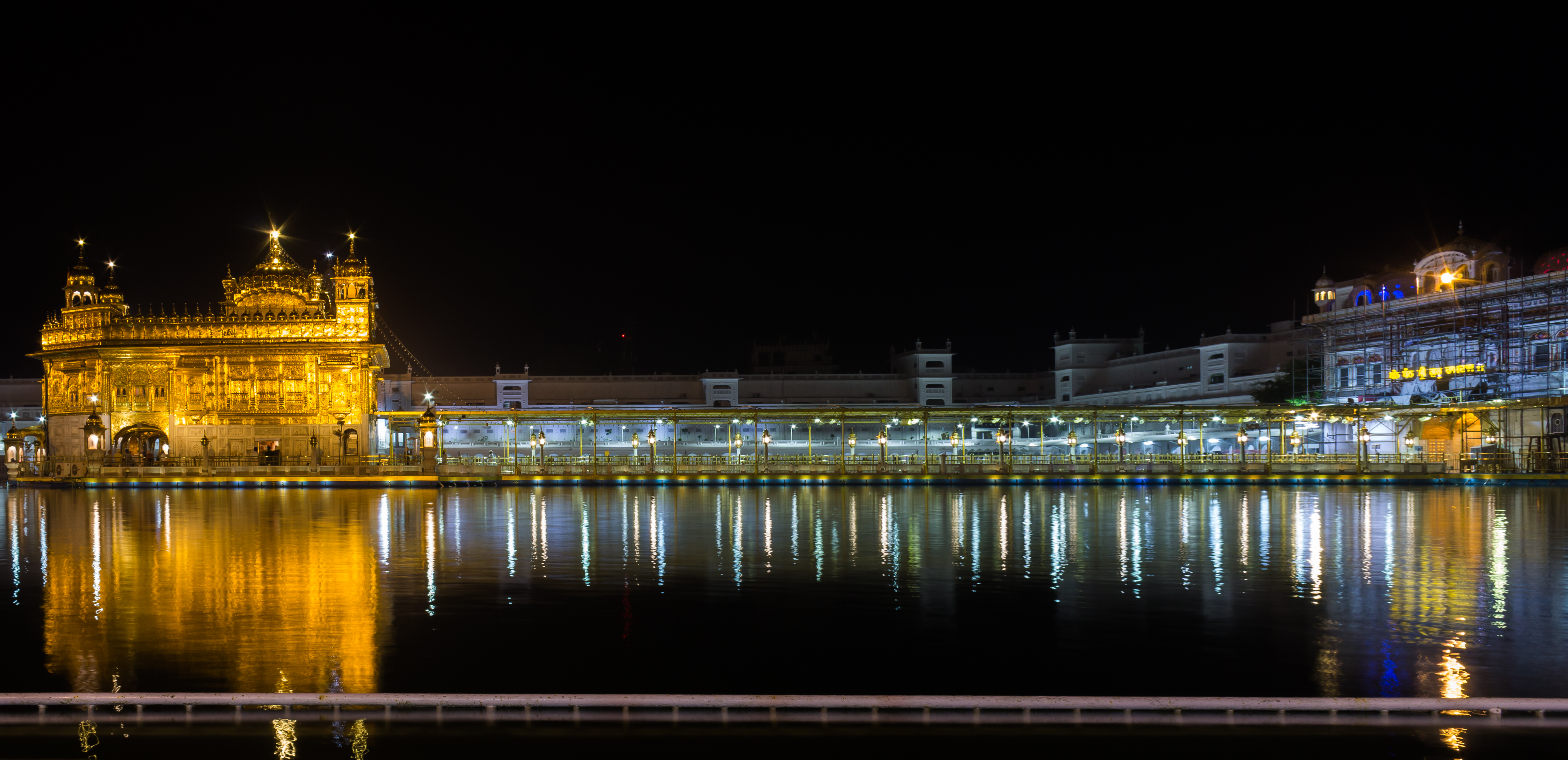
Four entrances face all four directions, to say that people of every faith and background are welcome.
A simple cottage built by Guru Ram Das grew into the working gurdwara that stands today.
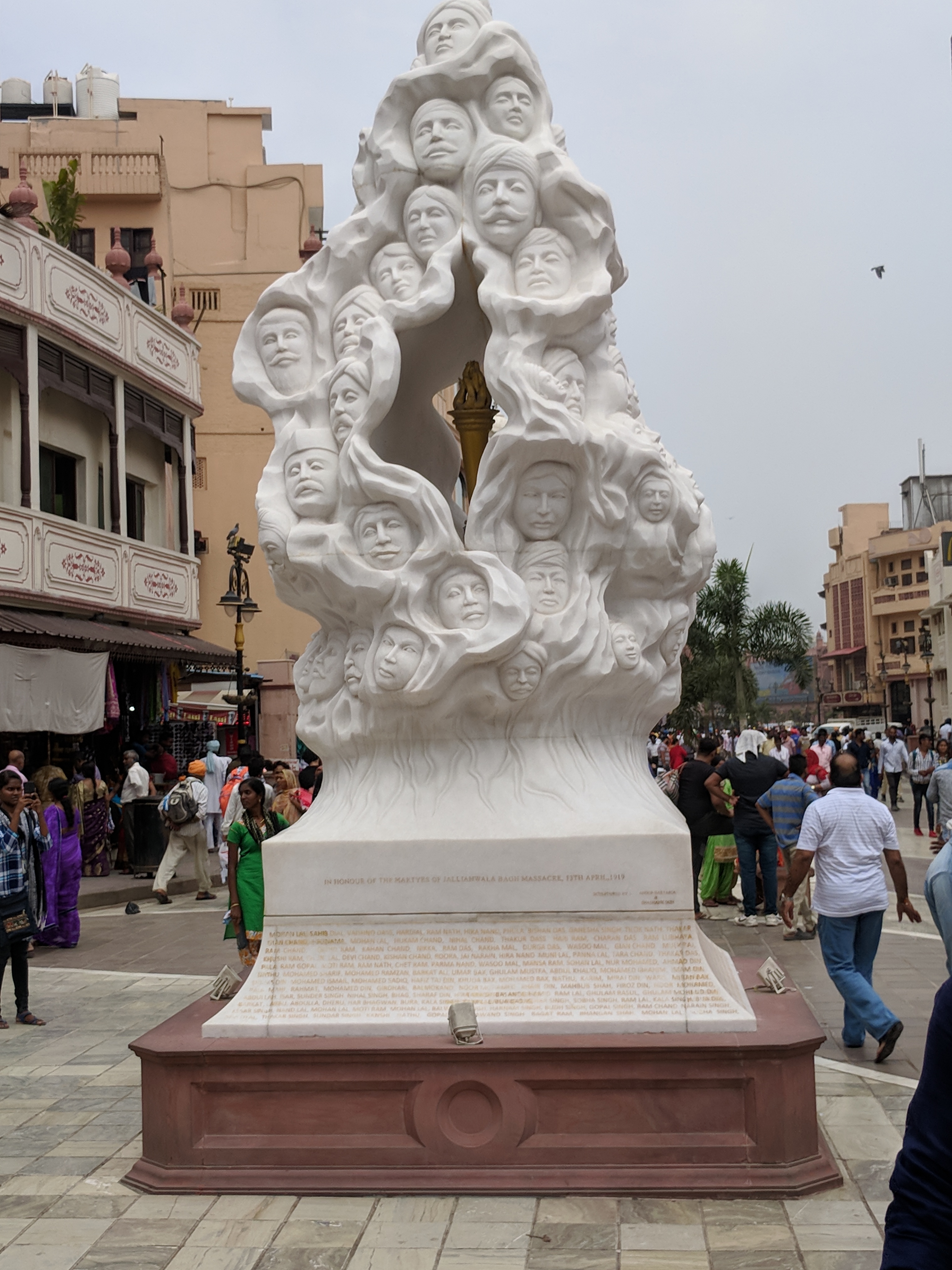
In 1919, British troops fired on an unarmed gathering here, killing hundreds. Bullet marks are still visible on the garden's walls.
The palace where Ranjit Singh spent his summers now displays his arms, armour, paintings, coins and manuscripts.
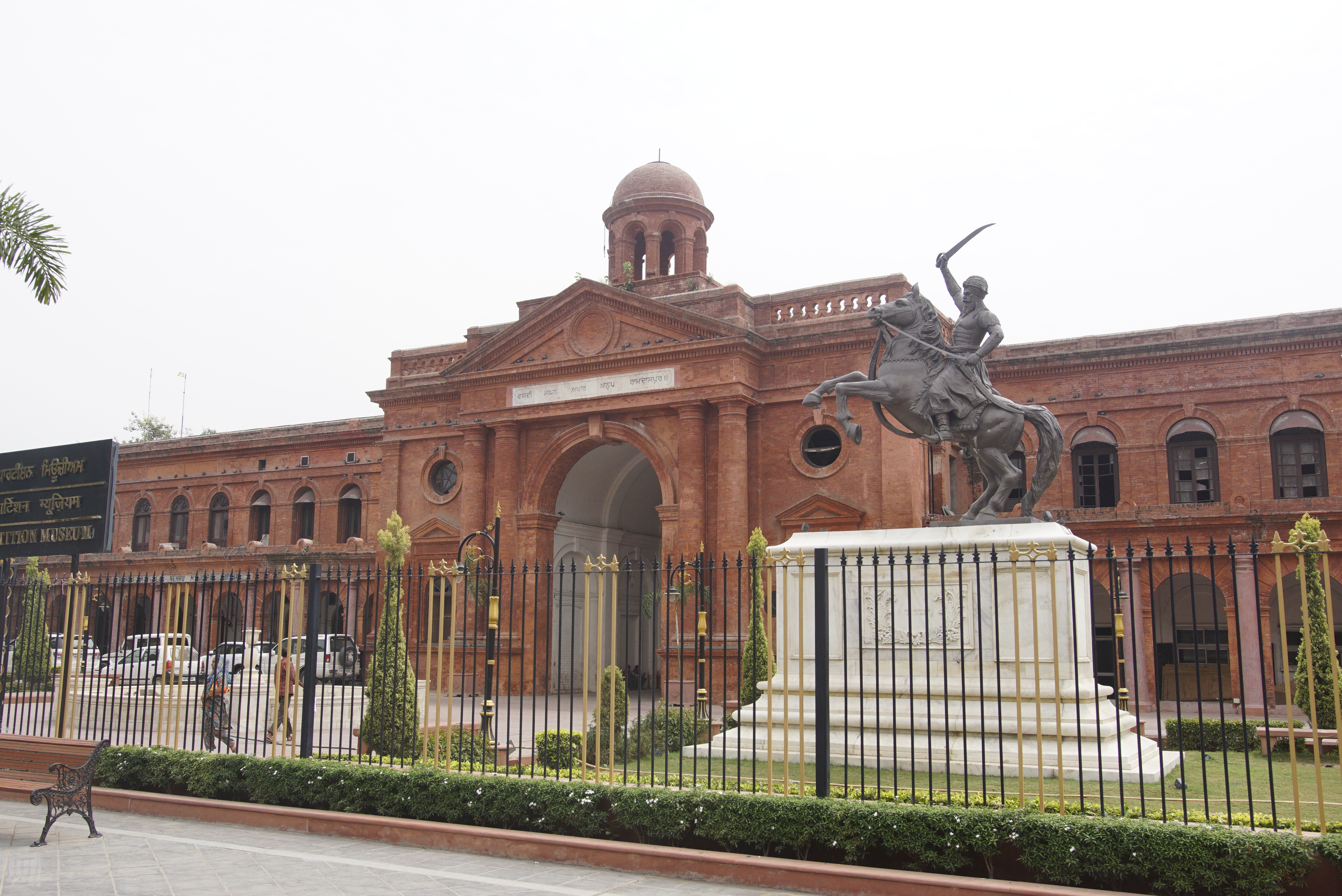
The world's first museum of the 1947 Partition tells survivors' stories, and many exhibits were donated by survivors and their families.
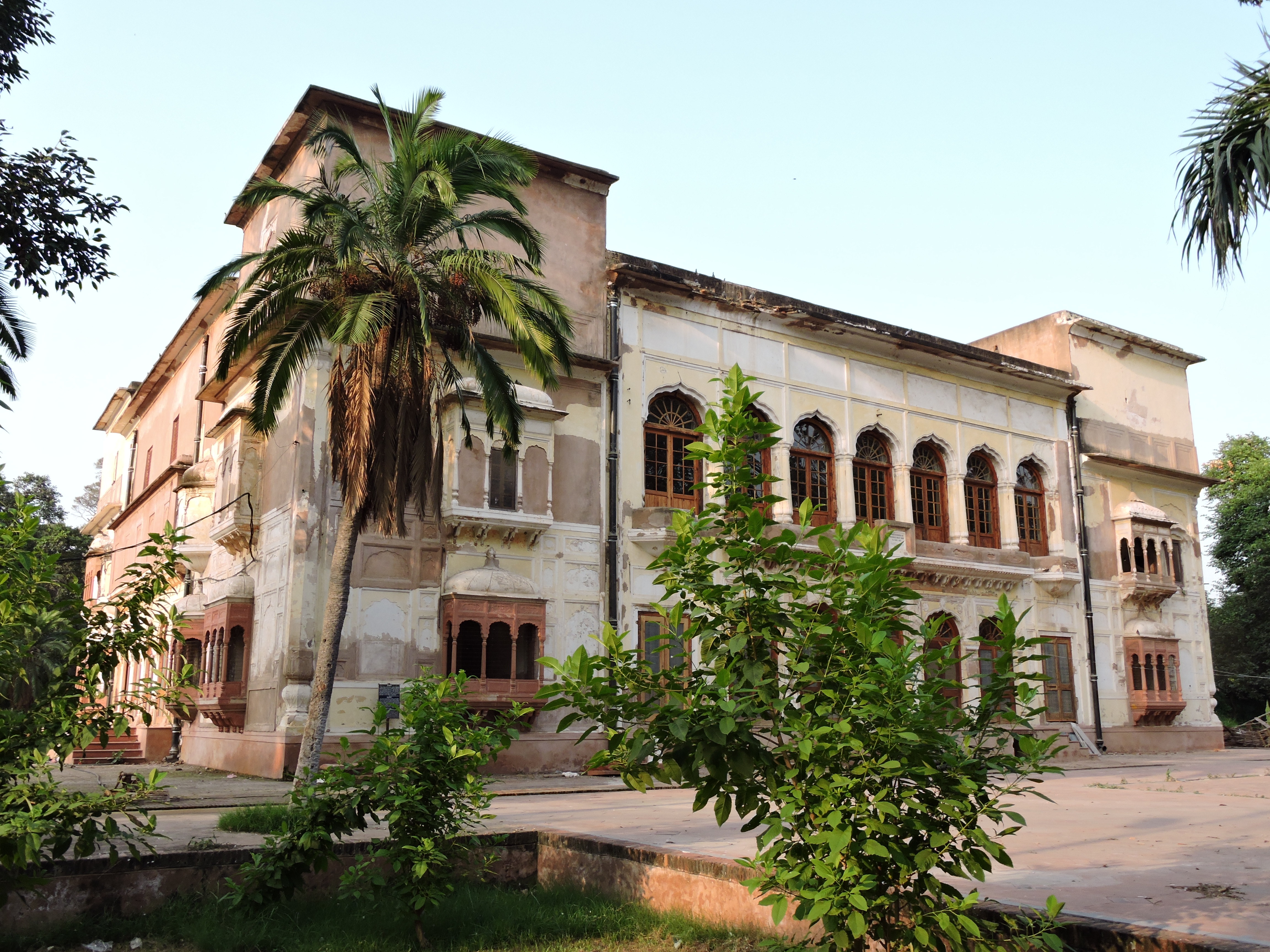
Maharaja Ranjit Singh laid out this Mughal-style garden in 1818 and named it for Guru Ram Das, founder of Amritsar.
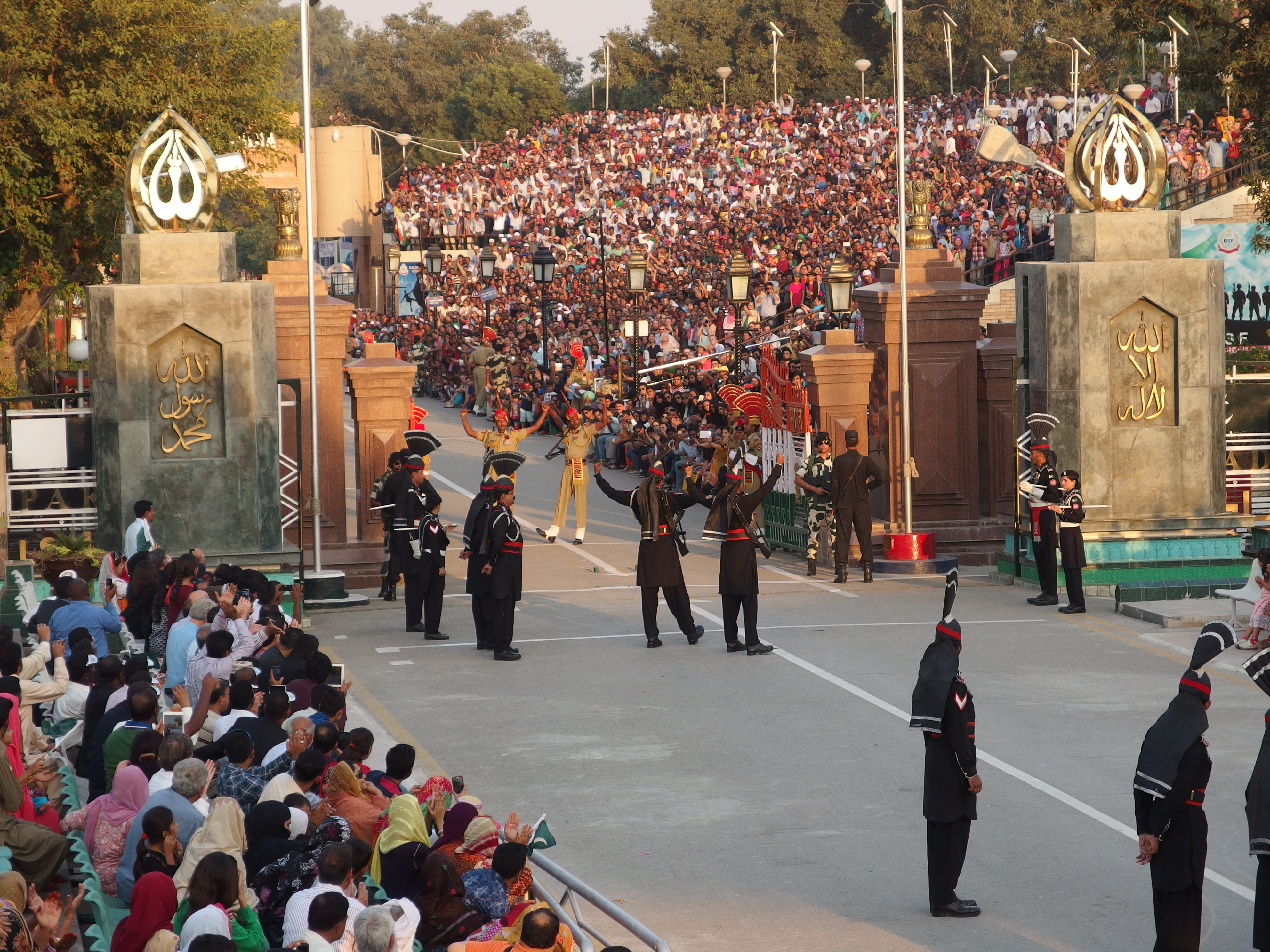
Each day, BSF and Pakistan Rangers lower their flags in a high-energy Beating Retreat ceremony.