
Loading…
Loading…
11 of 11 places

Shah Jahan built it in memory of Mumtaz Mahal, who died giving birth to their fourteenth child. About 20,000 workers laboured for roughly 22 years.

In his final years, Shah Jahan was imprisoned here by his own son, gazing at the Taj Mahal, the tomb he built for his wife.

Akbar built an entire city to celebrate the birth of his son, then abandoned it about 15 years later, reportedly for want of water.
In his final years, Shah Jahan was imprisoned here by his own son, gazing at the Taj Mahal, the tomb he built for his wife.

Akbar's mausoleum blends Hindu, Islamic, Christian and Jain motifs, reflecting his belief in religious inclusivity.

The only monument in Agra faced entirely in Persian-style glazed tile, the tomb of the scholar Afzal Khan Shirazi.
Akbar built an entire city to celebrate the birth of his son, then abandoned it about 15 years later, reportedly for want of water.

Empress Nur Jahan built it for her father, the first Mughal structure in white marble, and the model for the Taj Mahal.

Shah Jahan's eldest daughter, Jahanara Begum, commissioned this red sandstone mosque, still a working place of worship.

Local legend says Shiva himself rested here on his way to bless Krishna's birth in nearby Mathura.
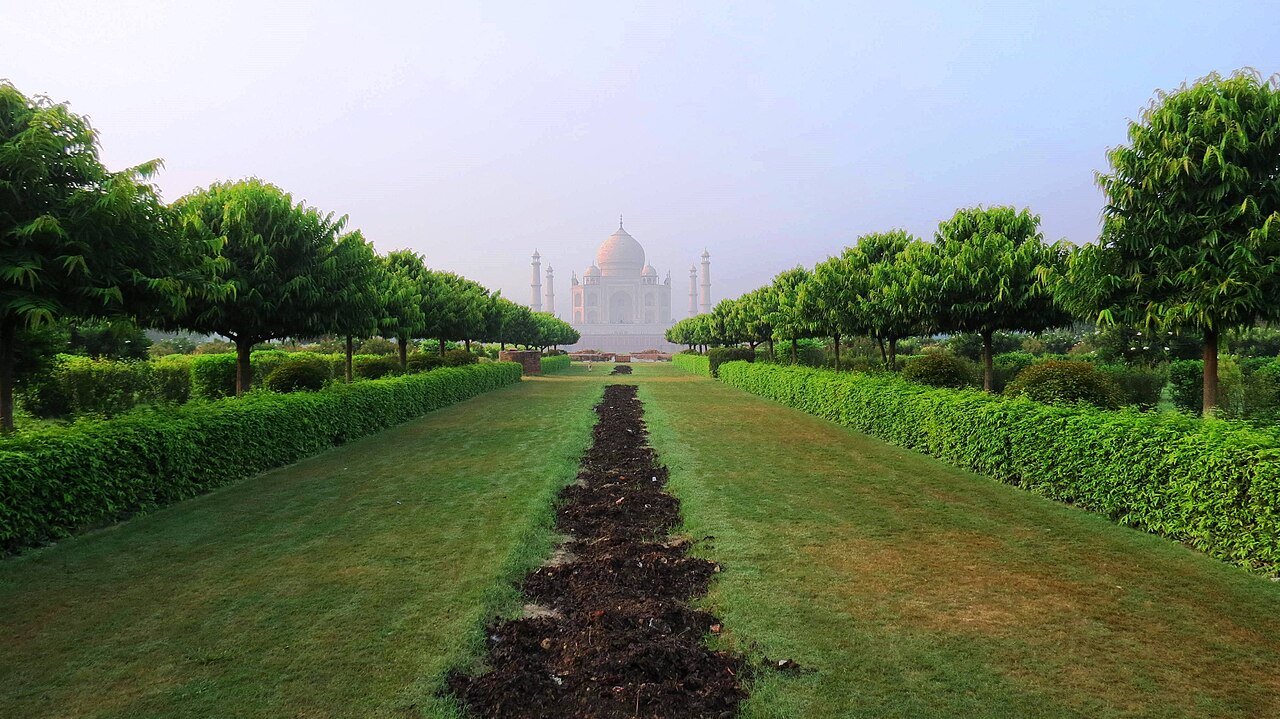
A moonlit garden that Shah Jahan aligned precisely with the Taj Mahal across the river.
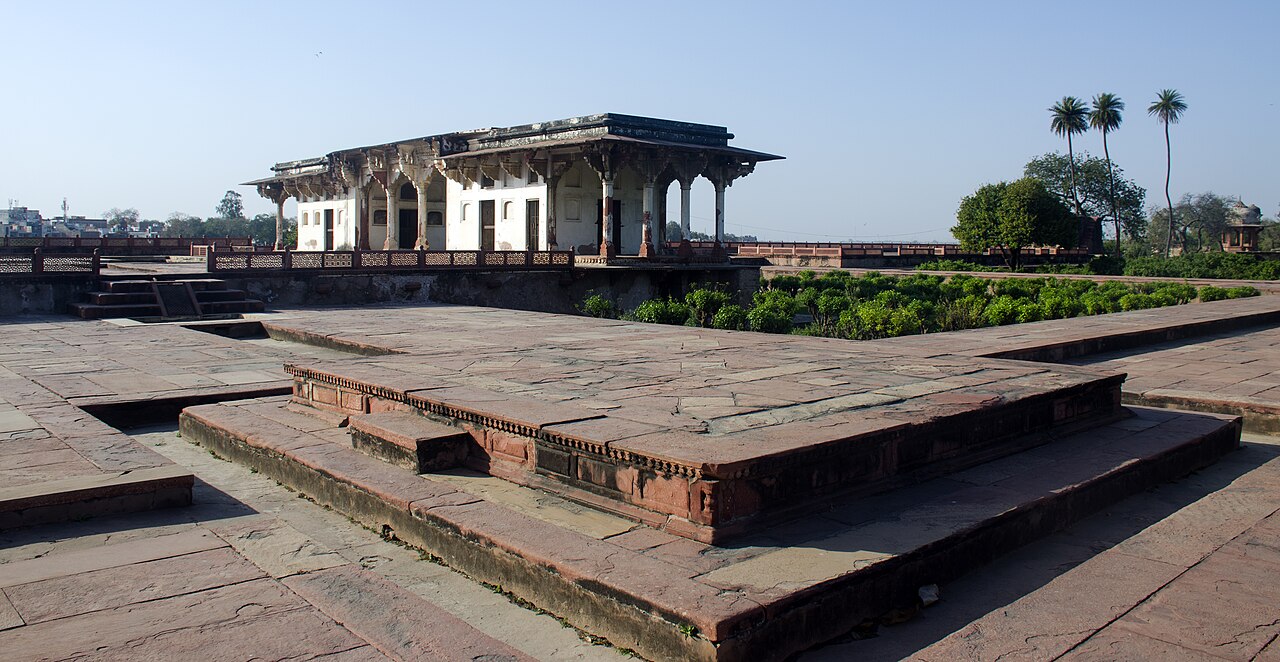
Believed to be the first Mughal garden in India, laid out by Babur, and briefly his resting place before his tomb was moved to Kabul.

A white-marble shrine under construction for over 120 years, carved by four generations of the same artisan families.
Shah Jahan built it in memory of Mumtaz Mahal, who died giving birth to their fourteenth child. About 20,000 workers laboured for roughly 22 years.